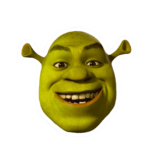

The Shrek franchise builds its entire identity on the joyful collision between fairy‑tale fantasy and the full spectrum of modern pop culture, and each film layers its world with references that range from sweeping cinematic homages to tiny background jokes that reward viewers who pay close attention. From the very beginning of the first film, DreamWorks makes it clear that this universe is not a sealed medieval realm but a living collage of late‑20th‑century American culture. Duloc is staged as a pristine, overly controlled parody of Disneyland, complete with a puppet‑show welcome that mimics the tone of a theme‑park ride and a photo booth that resembles the automated cheerfulness of amusement‑park attractions. The Magic Mirror introduces princesses as if hosting The Dating Game, and the film even slips in a cheeky nod to Hooters when Shrek and Donkey pass a tavern whose owl‑themed signage unmistakably echoes the restaurant’s branding. The wrestling match Shrek participates in is staged with the exaggerated theatrics of WWE, complete with a cheering crowd and over‑the‑top moves. Fiona’s martial‑arts sequence, in which she dispatches Robin Hood’s Merry Men, directly references The Matrix with its slow‑motion bullet‑time spin, and it also includes a flourish of Crouching Tiger, Hidden Dragon‑style wire‑fu. Even the soundtrack anchors the film in early‑2000s pop culture, with Smash Mouth’s “All Star,” Joan Jett’s “Bad Reputation,” and Rufus Wainwright’s “Hallelujah” giving the fairy‑tale setting a distinctly modern emotional palette. The film’s humor thrives on this interplay between medieval imagery and contemporary culture, such as when the Magic Mirror’s presentation resembles a reality‑TV dating show or when the Duloc guards behave like theme‑park employees trained to maintain a perfect smile.
As the series expands in Shrek 2, the references become even more densely layered, turning Far Far Away into a storybook version of Beverly Hills complete with palm trees, celebrity mansions, and luxury boutiques that parody real‑world brands. The Starbucks joke, in which two “Farbucks Coffee” shops sit directly across from each other, mocks the chain’s real‑world ubiquity and the absurdity of cities with multiple locations on the same block. The Fairy Godmother’s factory is staged like a glossy corporate headquarters, blending the aesthetics of pharmaceutical companies, cosmetics brands, and infomercial‑style self‑help gurus. The break‑in sequence borrows heavily from Mission: Impossible, complete with dramatic wire‑work and laser‑dodging, while the giant Gingerbread Man, Mongo, stomps through the city like the Stay‑Puft Marshmallow Man from Ghostbusters. The film even slips in a direct Lord of the Rings reference when the trio discovers the ring in the forest, and Fiona’s mother’s wedding ring glows with fiery Elvish script before being tossed aside in a parody of the One Ring’s dramatic allure. The Spider‑Man reference appears when Shrek and Fiona reenact the upside‑down kiss from Sam Raimi’s 2002 film, complete with the same romantic framing and rain‑soaked lighting. Puss in Boots himself is a parody of Zorro, complete with Antonio Banderas’ swashbuckling charm, dramatic sword flourishes, and exaggerated Spanish bravado. The “Police Knights” sequence is filmed in the style of Cops, complete with grainy footage, handheld camera work, and medieval pepper‑grinders used like pepper spray. The Fairy Godmother’s rendition of “Holding Out for a Hero” transforms an ’80s power ballad into a full‑scale cinematic climax, blending fantasy with the melodrama of music‑video storytelling. Even the background signs and storefronts parody real‑world brands, such as medieval versions of Burger King, Versace, and Hollywood studios. The Tic Tac joke appears when Puss coughs up a hairball and Donkey offers him a mint, which Puss rejects with dramatic flair, turning a simple breath‑mint brand into a comedic beat.
Shrek the Third continues this tradition by turning its attention toward high‑school culture, celebrity royalty, and the melodrama of teen movies. Worcestershire Academy is framed like a classic American high school, complete with cliques, bullies, and the familiar angst of reluctant teenage heroes. Artie embodies the archetype of the insecure protagonist who must grow into leadership, echoing films like The Karate Kid and Mean Girls. The princesses—Snow White, Cinderella, Rapunzel, and Sleeping Beauty—are reimagined as a glamorous, action‑ready squad reminiscent of Charlie’s Angels, especially during their coordinated rescue mission. Snow White’s battle cry is accompanied by Led Zeppelin’s “Immigrant Song,” blending fairy‑tale sweetness with rock‑and‑roll aggression. Prince Charming’s dinner‑theater performances mock the desperation of washed‑up actors clinging to fame, while Merlin’s eccentric magic nods to the absurdity of Monty Python‑style humor. The film also includes subtle references to Lord of the Rings in its depiction of medieval armies and dramatic speeches, and its background gags continue the franchise’s tradition of tiny, blink‑and‑you‑miss‑them references. One of the most memorable is the Ye Olde Hooters tavern, a medieval parody of the real‑world chain complete with a sign that mimics the owl‑themed logo. The film also includes medieval versions of fast‑food restaurants, posters that mimic celebrity advertisements, and a high‑school guidance counselor who behaves like a parody of self‑help gurus and motivational speakers.
By the time Shrek Forever After arrives, the series embraces the structure of alternate‑reality storytelling, drawing inspiration from classics like It’s a Wonderful Life and dystopian fantasies such as The Wizard of Oz and Terry Gilliam’s Brazil. The dystopian version of Far Far Away is filled with propaganda posters, enslaved witches, and a theatrical sense of tyranny that blends fairy‑tale villainy with modern authoritarian imagery. The ogre resistance movement channels the spirit of rebellion narratives such as Braveheart and Star Wars, presenting a ragtag group of fighters who rally against a corrupt ruler. The Pied Piper’s flute‑driven mind‑control sequence is staged with the rhythmic precision of a heist‑movie set piece, echoing the slick choreography of films like Ocean’s Eleven. Even the film’s quieter moments contain cultural echoes, such as Shrek’s midlife crisis, which mirrors the themes of suburban‑dad comedies from the 2000s. Throughout the film, small visual jokes continue to appear, including taverns, shops, and signs that parody real‑world brands in the same spirit as the earlier Starbucks and Hooters nods, as well as subtle references to fantasy epics like Lord of the Rings in the design of Rumpelstiltskin’s armies and the dramatic framing of the final battle.
Across all four films, the Shrek franchise uses pop‑culture references not as superficial jokes but as a fundamental storytelling strategy. These references allow the movies to critique fairy‑tale traditions, poke fun at Hollywood excess, and connect with audiences through shared cultural touchstones. By blending medieval fantasy with modern media, the series creates a world that feels both timeless and unmistakably contemporary. This fusion is precisely why Shrek remains culturally resonant: it reflects the world that created it, even as it parodies that world with a wink, a grin, and a constant stream of clever, layered references that reward viewers every time they revisit the swamp.