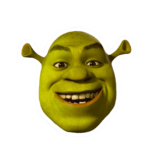

Chris Farley was the first actor chosen to bring Shrek to life, and his involvement shaped the earliest version of the film in ways many fans never realized. DreamWorks cast him in the mid‑1990s, when the studio was still defining its identity and searching for a breakout animated hit. Farley recorded the majority of Shrek’s dialogue using his natural voice, giving the character a warm, vulnerable, and emotionally open personality that reflected his own comedic style. In this early version, Shrek was less of a grumpy, sarcastic ogre and more of a gentle outsider who struggled with insecurity and a desire to be accepted. Storyboard footage that later surfaced online shows Farley delivering heartfelt lines about wanting people to see him for who he truly is, revealing a more introspective tone than the final film.
The production of Shrek changed dramatically after Farley’s unexpected death in 1997. Although he had completed most of his lines, DreamWorks ultimately decided not to use the unfinished recordings. The studio briefly considered having his brother, John Farley, finish the remaining dialogue, but the idea was set aside as the creative team realized the film needed a new direction. Mike Myers was brought in to completely re‑record the role, and he approached Shrek from a different angle. Myers first performed the character in his regular voice, then later chose the now‑iconic Scottish accent, a decision that altered the film’s tone so significantly that DreamWorks re‑animated large portions of the movie to match his new interpretation.
Farley’s version of Shrek remains one of the most intriguing “lost” performances in animation history. Although the full audio has never been released, the surviving clips reveal a film that would have been more earnest and character‑driven, with humor rooted in Farley’s trademark mix of sweetness and self‑deprecating charm. His take on Shrek emphasized the character’s emotional journey rather than the parody‑heavy style that defined the final cut. Even though audiences ultimately embraced Myers’ performance and the film became a cultural phenomenon, Farley’s contribution is still deeply respected by fans and animators who worked on the project.
Today, the Chris Farley version of Shrek stands as a fascinating alternate timeline — a glimpse into what might have been if one of comedy’s most beloved performers had lived to complete the role. His recordings continue to circulate among fans as a bittersweet reminder of his talent and the different emotional texture he brought to the character. While the world knows Shrek as the loud, confident, Scottish‑accented ogre who helped redefine early‑2000s animation, the foundation of that character was built on Farley’s heartfelt, unfinished performance, which remains an essential part of the film’s legacy.