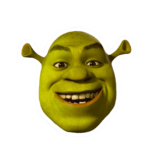

Few animated films have reshaped the cultural landscape as profoundly as Shrek. What began in 2001 as a quirky, irreverent fairy‑tale parody quickly evolved into a multigenerational touchstone, a meme powerhouse, and a symbol of how storytelling can thrive when it refuses to play by the rules. The film’s impact reaches far beyond its box‑office success; it represents a shift in how animated movies speak to audiences, how internet culture recycles and reimagines media, and how an ogre with a Scottish accent became one of the most recognizable figures in modern pop culture.
At its core, Shrek challenged the conventions of the animated fairy tale. At a time when studios were still heavily influenced by the polished, idealized formulas of the 1990s, Shrek arrived with a very different attitude. Its humor was self‑aware, its characters were flawed, and its world was a chaotic blend of satire and sincerity. By poking fun at the tropes that had dominated children’s media for decades, the film opened the door for a new era of animation—one that embraced meta‑commentary, pop‑culture references, and protagonists who didn’t fit the traditional mold. Shrek’s journey from isolated ogre to reluctant hero resonated precisely because it felt refreshingly human, even when wrapped in layers of green.
The film’s soundtrack also played a major role in cementing its cultural footprint. Songs like “All Star” and “I’m a Believer” became inseparable from the film’s identity, transforming into anthems that carried Shrek’s spirit into the broader world. These musical choices helped define the film’s tone: playful, rebellious, and unafraid to mix the unexpected with the heartfelt. Over time, these songs became memes in their own right, fueling the film’s second life on the internet.
That online afterlife is one of the most fascinating aspects of Shrek’s legacy. While many films fade from public consciousness, Shrek found new vitality in the digital age. The internet embraced the character with an enthusiasm that borders on mythmaking. Shrek became a symbol of absurdist humor, ironic nostalgia, and the chaotic creativity of online communities. Entire subcultures emerged around remixing, re‑editing, and reinterpreting the film in ways that ranged from affectionate to surreal. This memetic evolution transformed Shrek from a beloved movie character into a cultural phenomenon that thrives independently of the original films.
Yet beneath the layers of irony and humor, Shrek’s enduring appeal comes from something sincere. The story’s message—that identity is complex, that beauty is subjective, and that love often grows in unexpected places—continues to resonate with audiences of all ages. Shrek’s refusal to conform, his vulnerability beneath the gruff exterior, and his insistence on defining his own worth make him a surprisingly powerful figure in a world that often pressures people to fit a certain mold. The character’s emotional honesty gives the franchise a depth that balances its comedic edge, allowing it to remain relevant long after its release.
The franchise’s influence also extends into the broader entertainment industry. It demonstrated that animated films could be both commercially successful and culturally subversive, inspiring studios to take more creative risks. Its blend of adult humor and child‑friendly storytelling became a template for countless films that followed. Even today, references to Shrek appear in media, advertising, and everyday conversation, a testament to the character’s staying power.