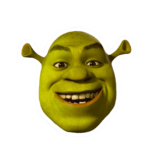

Shrek’s significance in meme culture is one of those delightful internet phenomena that no studio executive could have predicted. What began as a quirky animated film in 2001 evolved into a sprawling, self‑sustaining ecosystem of jokes, remixes, and surrealist humor that has lasted far longer than most memes ever do. The endurance of Shrek as a cultural touchstone says a lot about how the internet adopts, reshapes, and ultimately reclaims media in ways that are both affectionate and irreverent.
At the heart of Shrek’s meme legacy is its tone. The original film was already a playful jab at traditional fairy‑tale narratives, and that self‑aware humor made it ripe for reinterpretation. The internet gravitated toward Shrek because he was both familiar and strange: a grumpy ogre with a soft side, living in a world that mixed sincerity with parody. That blend created a perfect foundation for the absurdist style of humor that would dominate online spaces in the 2010s. Shrek became a canvas for exaggeration, distortion, and remixing, and the character’s exaggerated expressions and iconic lines made him endlessly reusable.
Another reason Shrek became such a powerful meme icon is the way the franchise intersected with nostalgia. Many people who grew up with the films reached adolescence or adulthood just as meme culture was exploding. Revisiting Shrek through memes became a way to celebrate childhood memories while poking fun at them. This duality—loving something while also laughing at it—became a defining feature of Shrek’s online presence. The memes often exaggerate the film’s quirks, from the soundtrack choices to the animation style, but they do so with a kind of chaotic affection.
Shrek’s meme status also reflects the internet’s fascination with subverting mainstream media. The character became a symbol of anti‑polish, a counterpoint to the sleek, corporate feel of many modern animated films. As a result, Shrek memes often lean into the bizarre, the grotesque, and the intentionally low‑quality. This aesthetic rebellion helped cement Shrek as a mascot for the weird corners of the internet, where humor thrives on unpredictability and distortion. The rise of “Shrek is love, Shrek is life,” while controversial, further solidified the character’s place in the realm of surrealist meme lore, demonstrating how far the internet was willing to push a familiar figure into new, unsettling territory.
Despite the layers of irony, Shrek’s meme legacy isn’t purely chaotic. There’s a genuine fondness that runs through much of the content. People celebrate Shrek because the films themselves were bold, funny, and emotionally grounded. The memes amplify the absurdity, but they also keep the franchise alive in public consciousness. In a way, the internet has turned Shrek into a folk hero of digital culture—an unlikely icon who represents both the power of nostalgia and the creativity of online communities.
Ultimately, Shrek’s significance in meme culture lies in his ability to bridge sincerity and absurdity. He embodies the internet’s love of remixing, reinterpreting, and reclaiming media in ways that are playful, chaotic, and deeply communal. For your Shrek website, this cultural legacy offers a rich narrative: Shrek is not just a character from an animated film series; he is a symbol of how the internet transforms stories into shared experiences that evolve far beyond their original form.