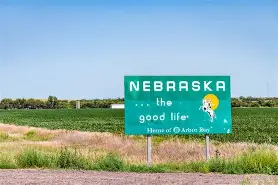
Five National & State Parks In Nebraska
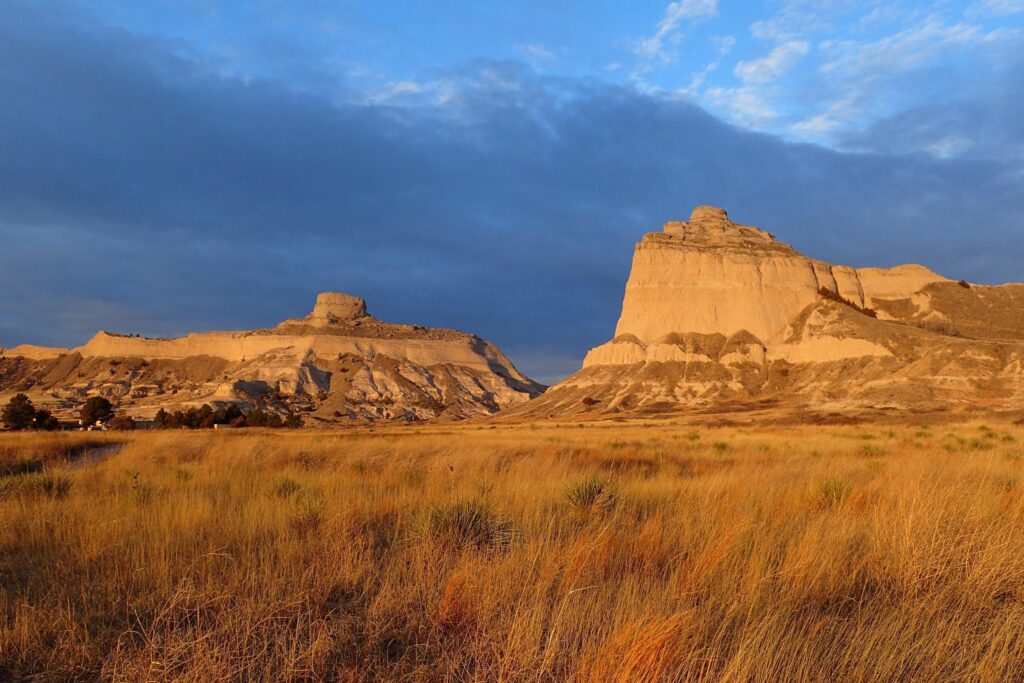
Scotts Bluff National Monument
Scotts Bluff rises dramatically from the surrounding plains, creating a landmark that guided Indigenous peoples, fur traders, and thousands of emigrants on the Oregon, California, and Mormon Trails. Today, the monument offers a mix of history and scenery that’s hard to beat.
Visitors can hike the Saddle Rock Trail, a 1.6‑mile route that winds up the bluff and passes through a pedestrian tunnel carved into the rock. The summit rewards you with sweeping views of the North Platte River Valley and the badlands formations below. If hiking isn’t your thing, a scenic drive leads to the top as well. The visitor center includes trail-era artifacts and exhibits that bring the region’s past to life.
Chimney Rock
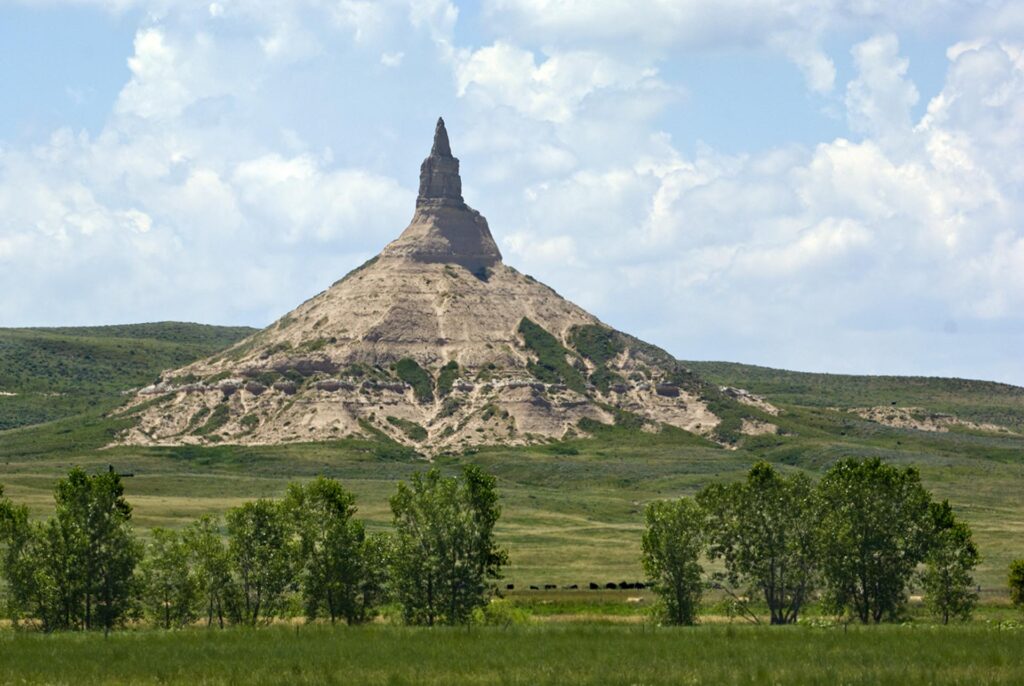
Just 20 miles from Scotts Bluff, Chimney Rock is one of the most iconic natural landmarks in the American West. Its slender spire—once towering over 400 feet—was a beacon for travelers heading toward the Rocky Mountains. While erosion has shortened it over time, the formation remains striking and photogenic.
The visitor center offers interactive exhibits and a close look at how pioneers described the rock in their journals. While you can’t hike directly to the base due to preservation efforts, the surrounding viewpoints offer excellent photo opportunities, especially at sunrise and sunset when the rock glows red and gold.
Niobrara State Park
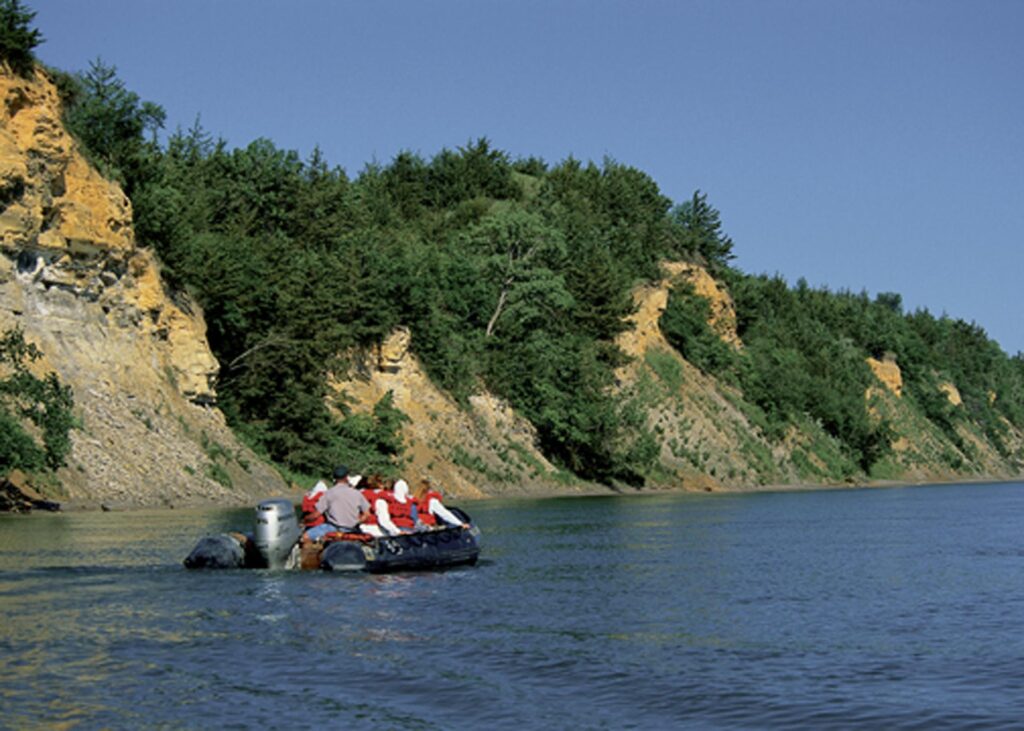
Located where the Niobrara and Missouri Rivers meet, this park blends rolling hills, river bluffs, and wide-open prairie. It’s a favorite for wildlife watchers—white-tailed deer, wild turkeys, and bald eagles are common sights.
The park’s trail system ranges from easy loops to more challenging ridge hikes with panoramic views. Horseback riding is available seasonally, and the park’s cabins perched on the bluffs offer some of the best sunrise views in the state. In summer, the park hosts buffalo cookouts and educational programs that highlight the region’s ecology and history.
Fort Robinson State Park
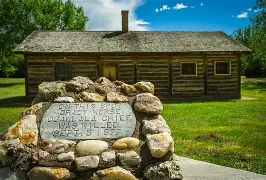
Fort Robinson is one of Nebraska’s most diverse and activity-packed parks. Once a frontier military post, it now spans more than 22,000 acres of pine-covered bluffs, grasslands, and rugged buttes.
Visitors can explore historic buildings, take guided jeep or horseback tours into the surrounding hills, or hike trails that lead to dramatic overlooks. The park is also home to bison and longhorn herds, and its wide-open spaces make it ideal for stargazing. With lodging options ranging from cabins to converted barracks, it’s a great destination for families or groups.
Badlands National Park
Just a few hours north of the Nebraska border, Badlands National Park is one of the most surreal landscapes in the Midwest. Jagged peaks, striped rock layers, and eroded canyons stretch for miles, creating a landscape that feels almost otherworldly.
The park offers scenic drives, fossil exhibits, and hiking trails ranging from short boardwalks to strenuous backcountry routes. Wildlife is abundant—bison, bighorn sheep, pronghorn, and prairie dogs roam freely. If you’re willing to stay after dark, the night sky here is spectacular thanks to minimal light pollution

Traveling Tips
Whether you’re exploring Nebraska’s prairies or venturing into the Badlands, these tips will help you make the most of your trip.
1. Check Weather and Trail Conditions Before You Go
Nebraska’s weather can change quickly—storms roll across the plains with little warning, and summer heat can be intense. Many parks update trail conditions daily, especially after heavy rain or snow. A quick check can save you from closed trails or unsafe conditions.
Even on cooler days, the dry prairie air can dehydrate you faster than expected. Most parks recommend at least one liter of water per hour of hiking. Many trails, especially in the western part of the state, have no shade or water sources.
Nebraska’s parks are home to bison, elk, deer, coyotes, and more. They may look calm, but they’re unpredictable—especially during calving or rutting seasons. Use binoculars or a zoom lens rather than approaching animals for a closer look.
4. Pack Layers & Sun Protection
The combination of wind, sun, and elevation changes can make temperatures swing dramatically. A lightweight jacket, hat, and sunscreen will keep you comfortable whether you’re hiking bluffs or exploring river valleys.
Nebraska’s landscapes are beautiful but fragile. Stay on marked trails, pack out all trash, and avoid disturbing plants or rock formations. Even small actions help preserve these spaces for future visitors.