Isaac Montoya
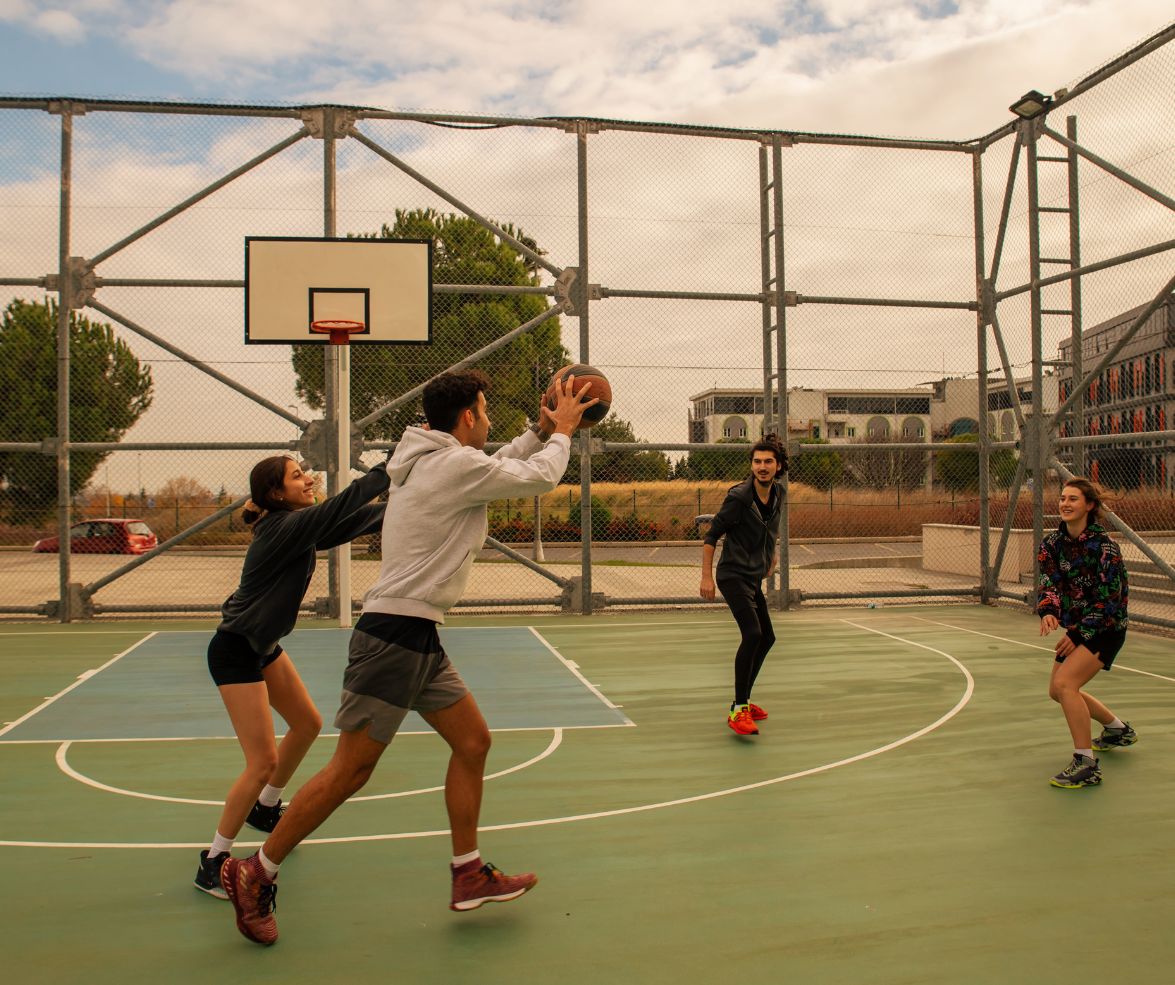
Every kid in the town of San Aurelio grew up on Estrella Field. It wasn’t much—just a patch of grass that refused to grow evenly, two rusted goalposts, and a chain‑link fence that rattled like an old tambourine when the wind hit it. But to twelve‑year‑old Mateo, it was the center of the universe.
Mateo wasn’t the fastest kid on the team, or the strongest, or the one who could juggle the ball a hundred times. What he did have was a way of seeing the field like a puzzle waiting to be solved. His coach called it “vision.” His teammates called it “weird luck.” Mateo didn’t care what anyone called it—he just loved the game.
One summer afternoon, the mayor announced that Estrella Field would be torn down to make room for a parking lot. The town sighed, the adults shrugged, and the kids panicked. Mateo felt something twist in his chest. He couldn’t imagine San Aurelio without the field that had shaped every dream he’d ever had.
So he made a plan.
He challenged the mayor to a match.
Not just any match—a full game, kids versus adults, right on Estrella Field. If the kids won, the field stayed. If the adults won, the bulldozers rolled in.
The mayor laughed at first, but the whole town was watching, and no politician wants to look scared of a bunch of twelve‑year‑olds. He agreed.
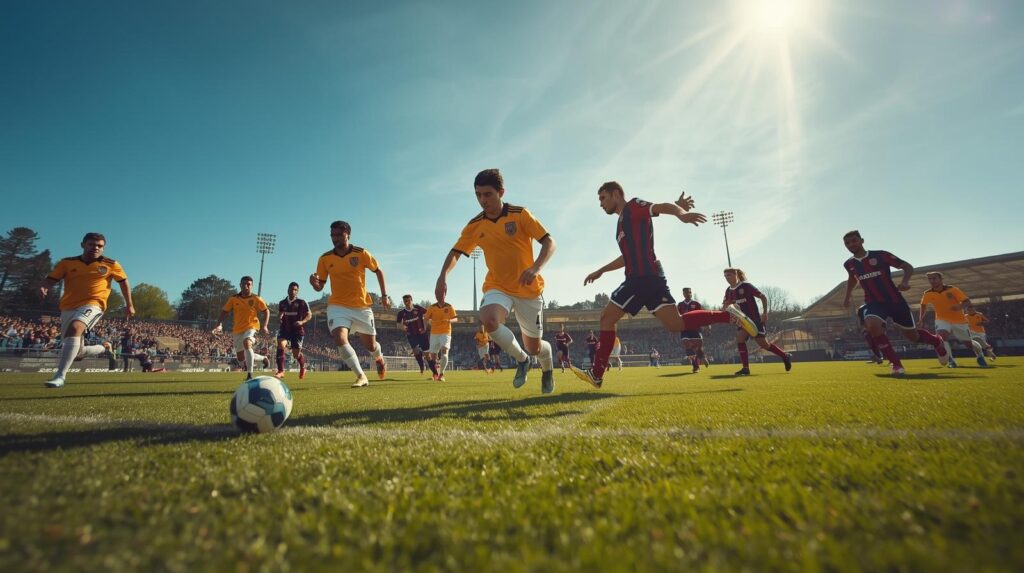
Game day arrived with a sky so blue it looked painted. The bleachers overflowed. The adults warmed up with confident stretches and smug smiles. The kids huddled together, nervous but determined.
The whistle blew.
The adults dominated early. They were bigger, stronger, and surprisingly competitive. By halftime, the kids were down 3–1, and the mayor was already waving at imaginary bulldozers.
But Mateo wasn’t done.
He gathered his team and pointed to the field. “They’re playing like it’s a job,” he said. “We play because we love it. That’s our advantage.”
The second half felt different. The kids moved with joy—quick passes, clever footwork, laughter even when they stumbled. The adults started to tire. The score crept to 3–2… then 3–3.
With seconds left, Mateo found the ball at his feet. The entire field seemed to hold its breath. He dribbled past one defender, then another. The mayor charged toward him like a runaway train.
Mateo didn’t shoot.
He tapped the ball sideways to his teammate Luna, who had slipped behind the defense unnoticed. She struck the ball cleanly, sending it into the top corner of the net.
4–3.
The crowd erupted. The mayor froze. And Estrella Field—old, uneven, beloved—was saved.
That night, the kids stayed long after sunset, playing under the glow of streetlights. Mateo lay on the grass, staring at the stars, knowing he’d never forget the day they won the field back.
And somewhere in the dark, the chain‑link fence rattled—not from the wind, but as if the field itself was cheering.
s leo.