1. Scotts Bluff National Monument (Nebraska)
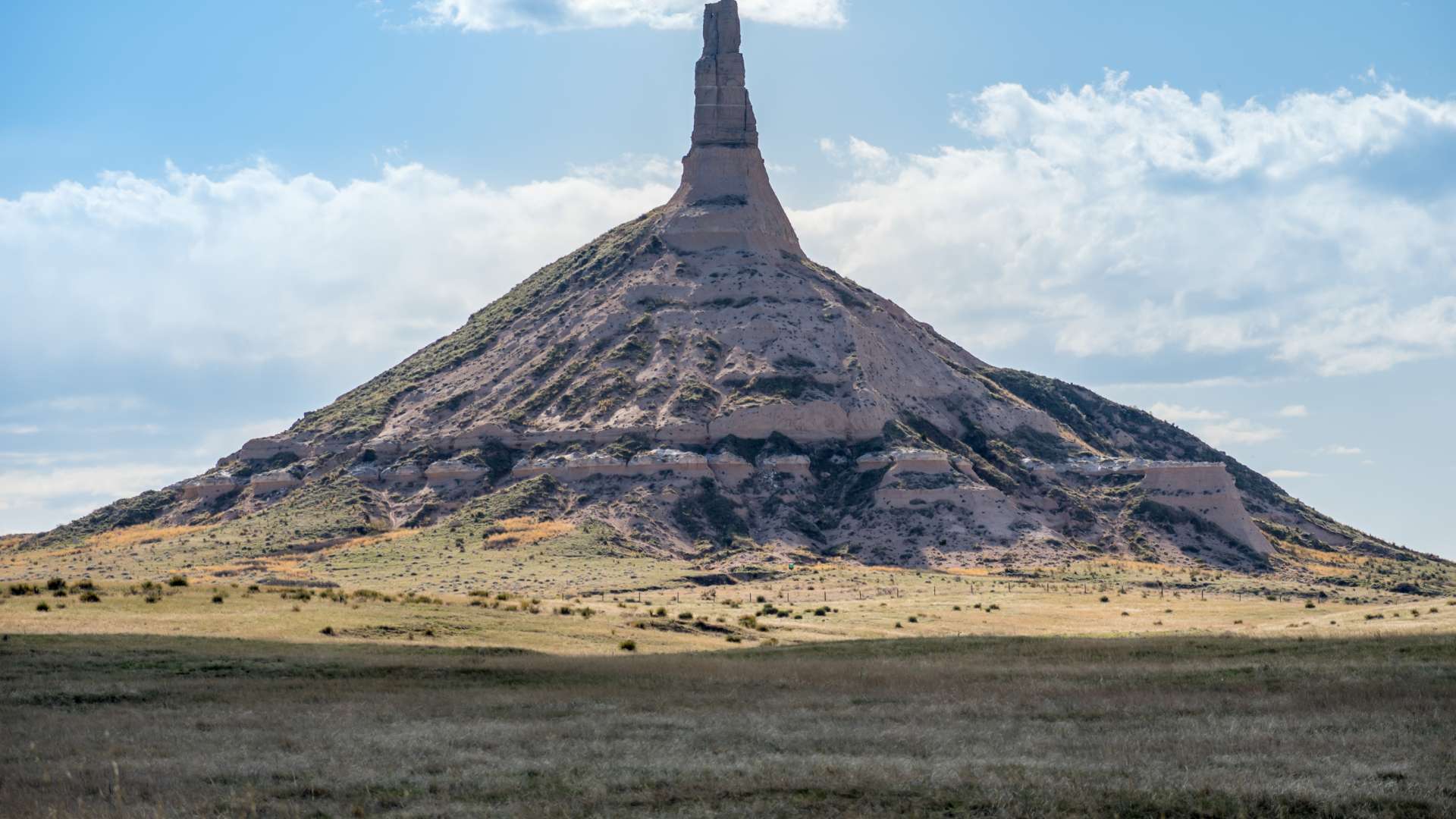
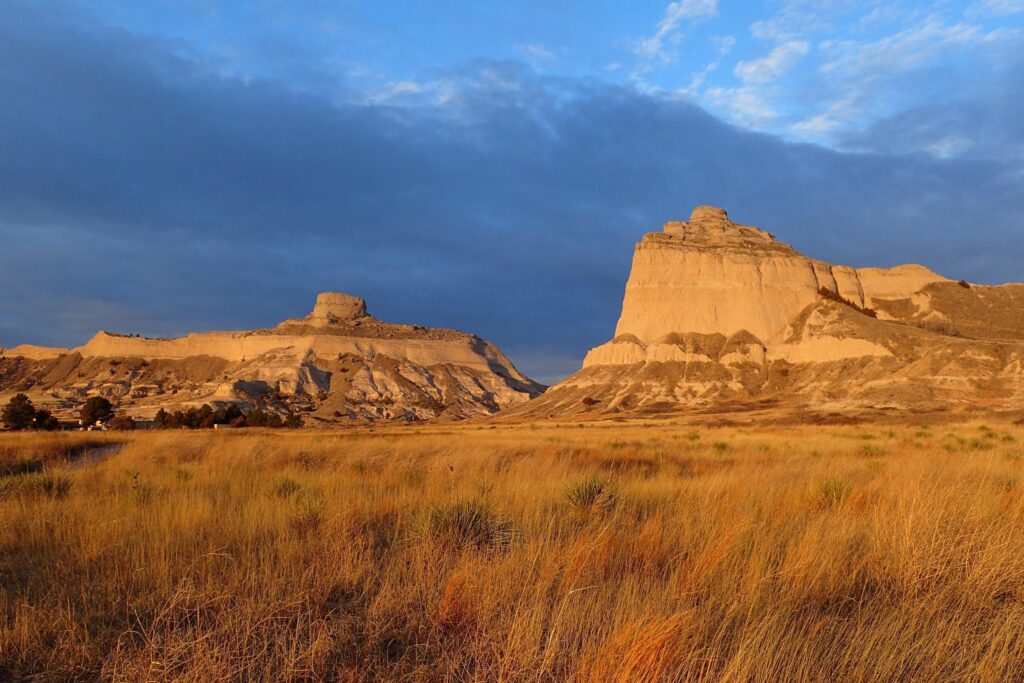
Scotts Bluff rises abruptly from the plains, a sandstone and siltstone formation that served as a landmark for Indigenous peoples and later for emigrants on the Oregon, California, and Mormon Trails. The monument’s 800‑foot bluffs create a dramatic skyline, and the Summit Road—one of the few in the National Park System that tunnels through rock—leads to sweeping views of the North Platte River Valley. Trails like Saddle Rock Trail let you climb from the visitor center to the summit on foot, passing through layers of exposed geology. The site blends natural beauty with deep historical resonance, making it one of Nebraska’s most iconic outdoor destinations.
2. Agate Fossil Beds National Monument (Nebraska)
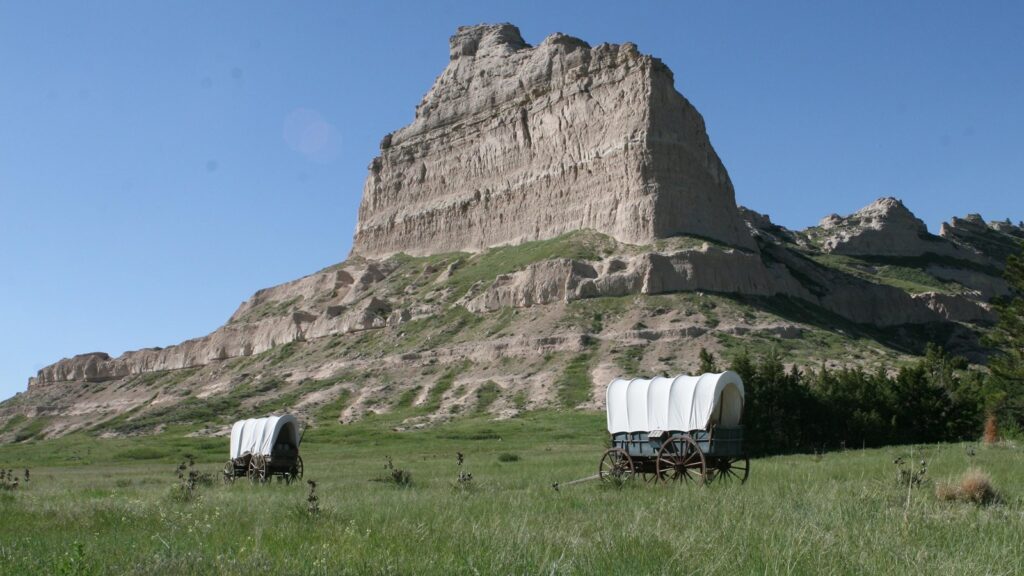
This quiet corner of the northwest prairie hides one of the richest Miocene fossil sites in North America. Agate Fossil Beds preserves ancient bone beds filled with the remains of prehistoric mammals such as the beardog, the small horse Merychippus, and the massive Daeodon. The landscape today is a wide‑open grassland, perfect for spotting pronghorn and raptors. Two main trails—Fossil Hills Trail and Daemonelix Trail—take you to the excavation sites and the famous spiral “devil’s corkscrew” burrows. The visitor center also houses an extraordinary collection of Lakota artifacts gifted by Chief Red Cloud, adding cultural depth to the scientific story.
3. Niobrara National Scenic River (Nebraska)
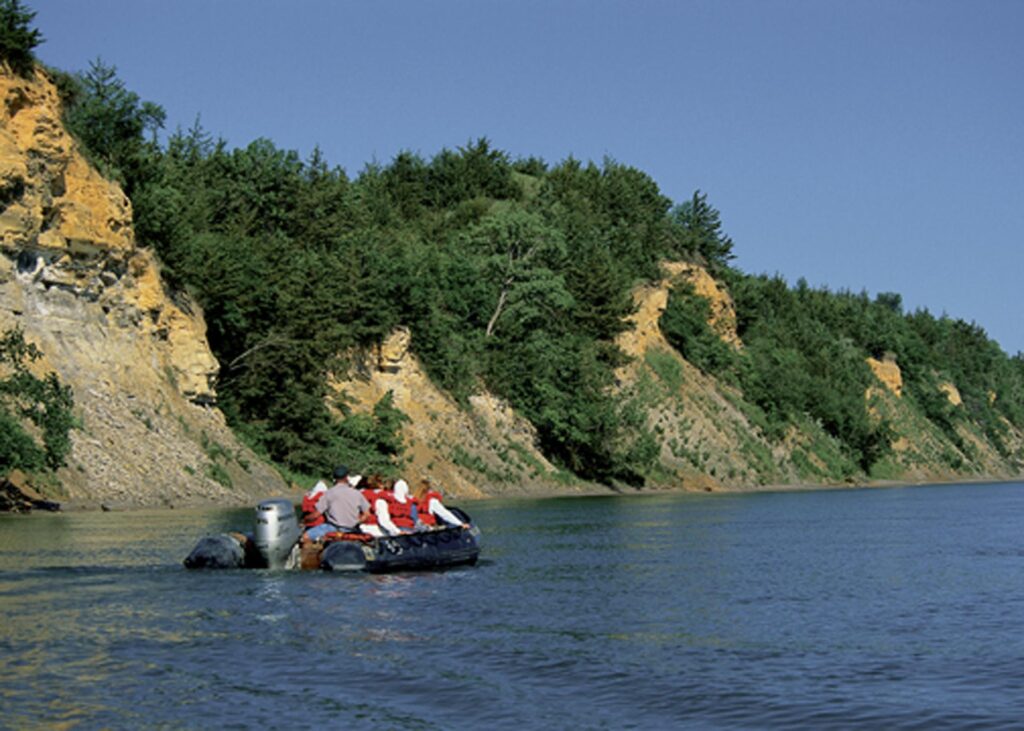
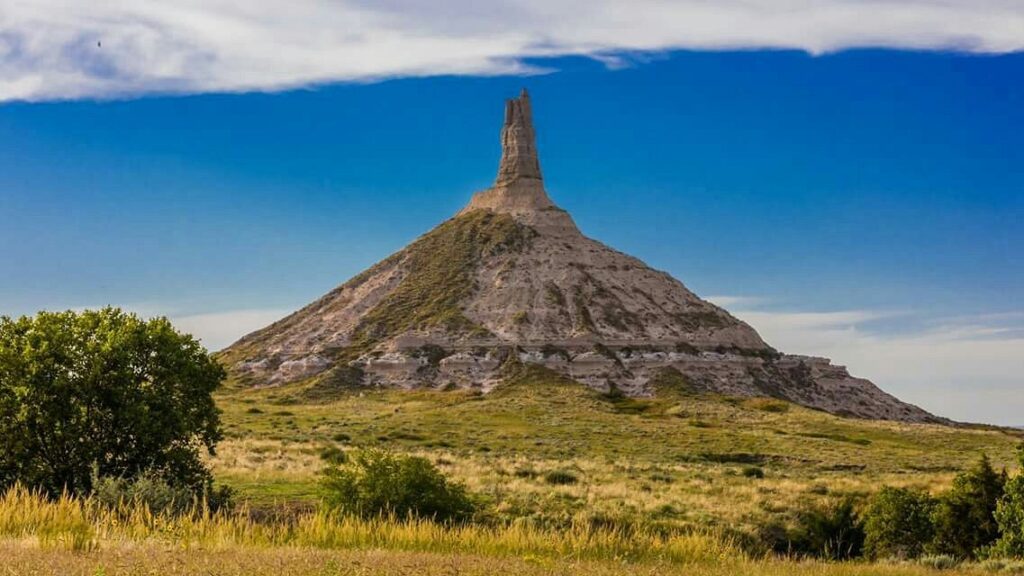
The Niobrara River is one of the Midwest’s most underrated natural treasures. Flowing through canyons, waterfalls, and mixed ecosystems, it’s a hotspot for biodiversity—more than 500 plant species and a blend of Rocky Mountain, northern boreal, and eastern deciduous forest species all meet here. Paddling is the signature activity, with outfitters offering tubing, canoeing, and kayaking along gentle stretches of water. Smith Falls State Park, located along the river, features Nebraska’s tallest waterfall and makes a great stop for hiking or picnicking. The Niobrara is ideal for travelers who want a mix of relaxation and adventure.
4. Ponca State Park (Nebraska)
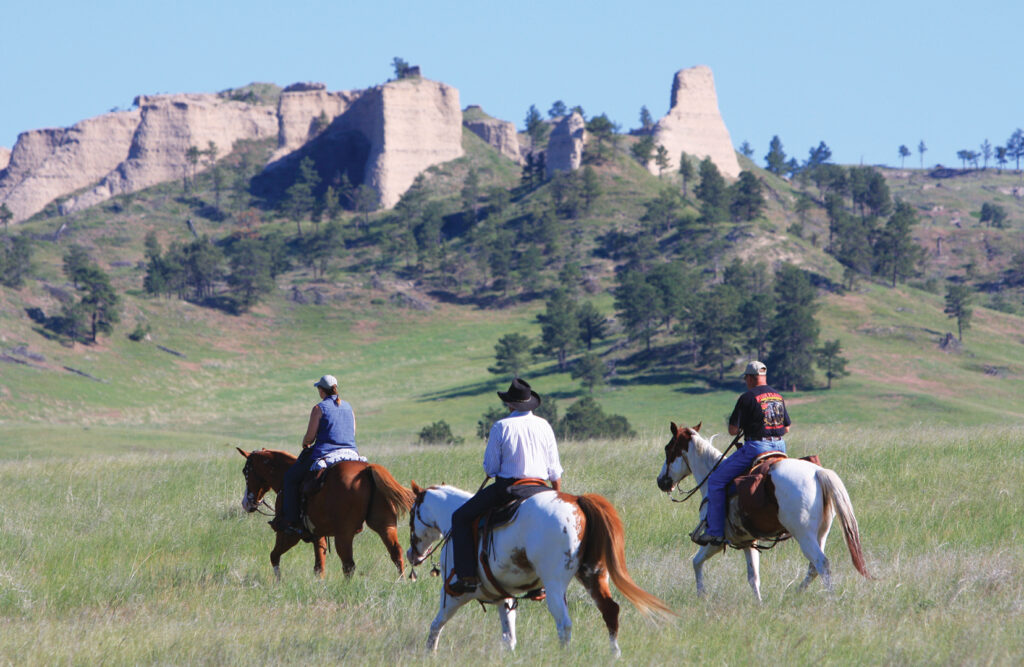
Tucked into the Missouri River bluffs in the northeast corner of the state, Ponca State Park is one of Nebraska’s most beloved outdoor playgrounds. The park’s forested hills, river overlooks, and wildlife‑rich wetlands offer year‑round recreation. In summer, visitors enjoy kayaking, horseback riding, and birdwatching; in winter, the park becomes a quiet retreat for snowshoeing and cabin stays. Ponca is also part of the Missouri National Recreational River, a stretch of the river that remains largely undeveloped and retains its natural, winding character. The park’s modern facilities and scenic trails make it a great choice for families.
5. Badlands National Park (South Dakota, near Nebraska)
Just across Nebraska’s northern border lies one of the most striking landscapes in the Great Plains. Badlands National Park is a maze of eroded buttes, striped rock layers, and wide prairies where bison, bighorn sheep, and prairie dogs roam. The park’s loop road offers dramatic overlooks, but the real magic happens on the trails—Notch Trail, Door Trail, and Castle Trail immerse you in the rugged terrain. Sunrises and sunsets paint the formations in surreal colors, making the Badlands a photographer’s dream. For Nebraskans or travelers passing through the region, it’s an easy and unforgettable side trip.
Five Travel Tips for Visiting State and National Parks
1. Prepare for variable weather
Great Plains weather changes quickly. Even in summer, mornings can be cool and storms can roll in fast. Pack layers, a waterproof jacket, and sun protection so you’re comfortable no matter what the day brings.
2. Bring more water than you think you need
Many parks in Nebraska and the surrounding region have long, exposed trails with limited shade. Carrying extra water is essential, especially when hiking bluffs or badlands terrain.
3. Respect wildlife and keep your distance
Bison, pronghorn, deer, and coyotes are common in and around these parks. Give animals plenty of space and never feed them. Even seemingly calm wildlife can behave unpredictably.
4. Check trail and road conditions before you go
Some parks—especially those with dirt roads or steep trails—close sections during heavy rain or winter weather. A quick look at the park’s website or visitor center updates can save you from surprises.
5. Support local communities
Small towns near these parks often rely on tourism. Staying in local lodges, eating at nearby restaurants, or visiting local museums enriches your trip and helps sustain the region.
If you want, I can also help you turn this into a printable travel guide or expand it with lodging and itinerary ideas for a Nebraska‑based road trip.