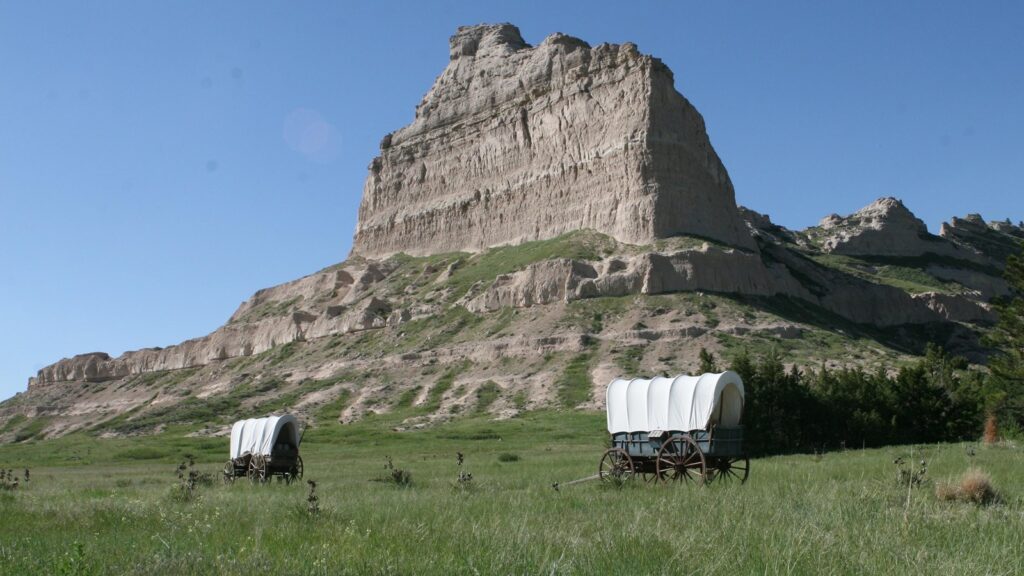
1. Scotts Bluff National Monument (Gering, NE)
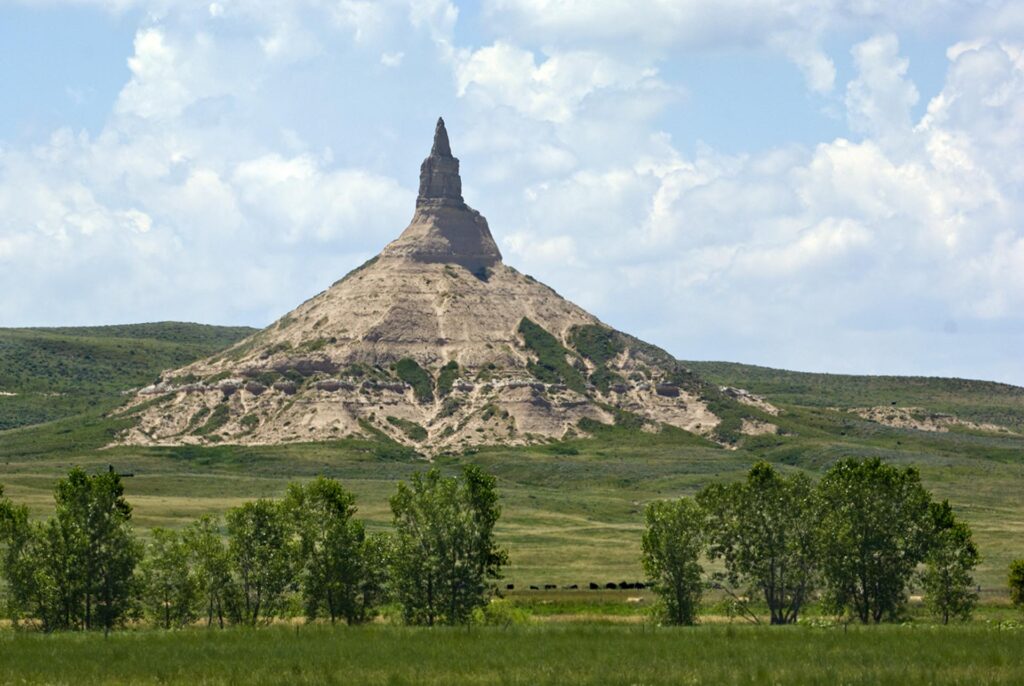
Rising 800 feet above the North Platte River, Scotts Bluff was once the most iconic landmark for pioneers on the Oregon, California, and Mormon Trails. In 2026, it remains a premier destination for those who want to stand exactly where history happened. The bluff wasn’t just a pretty sight for settlers; it was a psychological milestone that meant they had successfully crossed the “Great American Desert” and were entering the mountain phase of their journey. The most popular way to experience the park is by driving the Summit Road, which takes you through three tunnels carved into the rock to a panoramic overlook. From the top, you can see for miles across the valley, gaining a true appreciation for the vastness the pioneers faced. For those with a bit more stamina, the Saddle Rock Trail is a 1.6-mile hike that climbs the face of the bluff. It offers an up-close look at the geologic layers—ash, sandstone, and silt—that have survived millions of years of erosion. The visitor center also features an impressive collection of water-color paintings by William Henry Jackson, who famously documented the trail life in the 19th century.
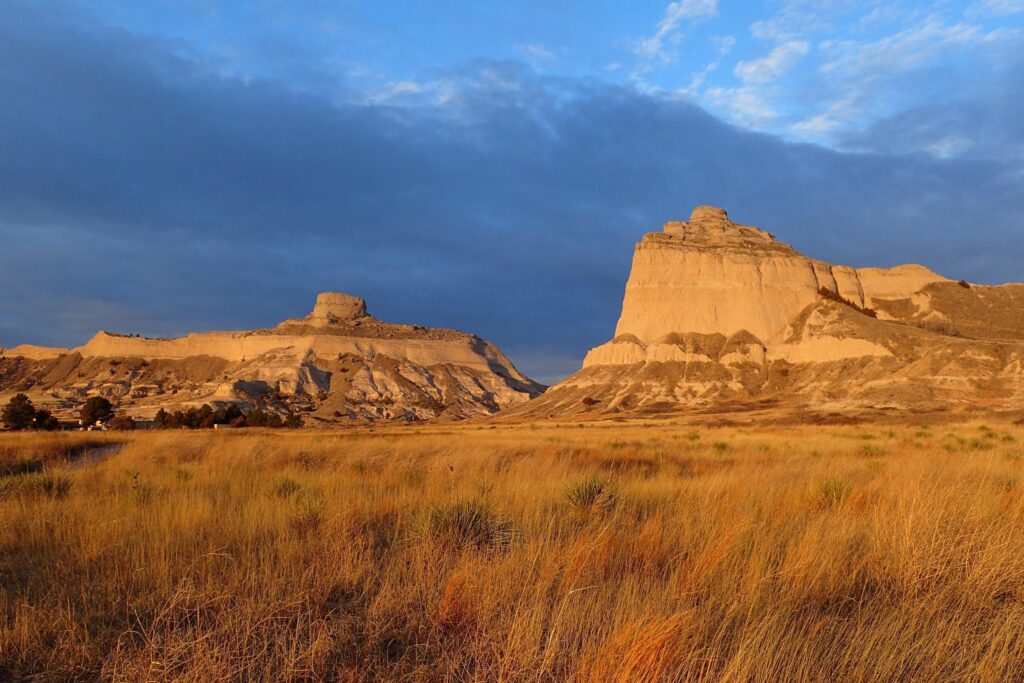
2. Fort Robinson State Park (Crawford, NE)
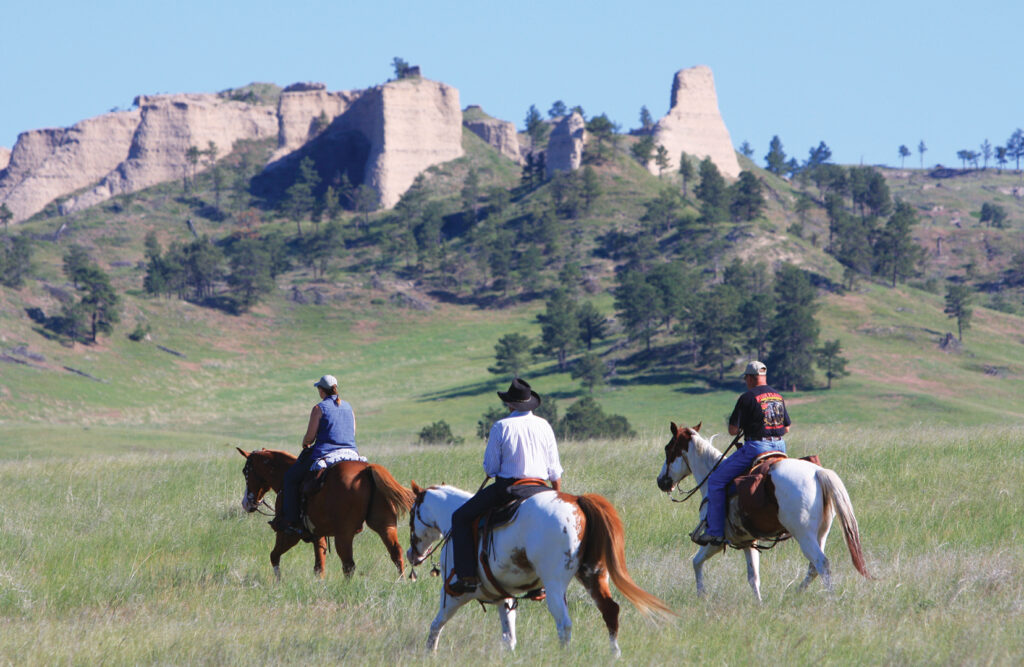
If you like your nature with a heavy side of history, Fort Robinson is arguably Nebraska’s most unique state park. This former U.S. Army fort (active from 1874 to 1948) spans over 22,000 acres of the scenic Pine Ridge region. The landscape here is defined by high buttes and Ponderosa pine forests, offering a sharp contrast to the flat prairies to the east. The park is famous—and somber—for being the site where the Oglala Lakota leader Crazy Horse was killed in 1877. Today, visitors can stay in the original officers’ quarters or barracks, which have been converted into modern lodging. Beyond the history, the park offers jeep tours into the buttes, stagecoach rides, and a massive buffalo and longhorn herd that roams the park’s grasslands. Don’t miss the Trailside Museum of Natural History, which houses the “Clash of the Mammoths”—two fossilized mammoths whose tusks became permanently locked during a fight, leading to their mutual demise.
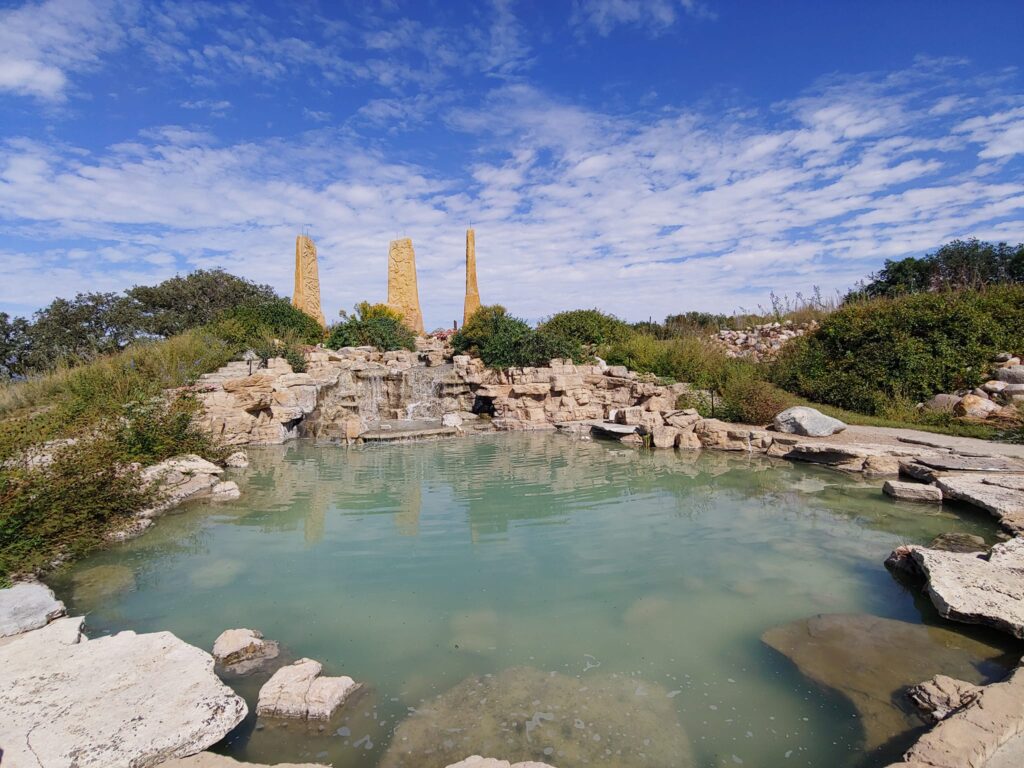
3. Toadstool Geologic Park (Harrison, NE)
Located within the Oglala National Grassland, Toadstool Geologic Park is often called “Nebraska’s Badlands.” It looks like someone took a slice of the moon and dropped it into the middle of the prairie. The park gets its name from its bizarre rock formations: massive sandstone slabs perched on top of narrow clay pedestals, resembling giant mushrooms. This is a place for quiet exploration and deep-time reflection. The 1-mile interpretive loop takes you through a labyrinth of hoodoos and fallen rocks where you can see fossilized footprints of ancient rhinos, entelodonts (pig-like creatures), and camels. It is remote, rugged, and usually very quiet. Because the “soil” here is mostly bentonite clay, it becomes incredibly slick when wet—almost like ice—so timing your visit with the weather is crucial. If you’re a fan of stargazing, the lack of light pollution here in 2026 makes it one of the best spots in the Midwest to see the Milky Way with the naked eye.
4. Badlands National Park (Interior, SD)
While technically across the border in South Dakota, Badlands National Park is a must-visit “close to” Nebraska destination, particularly if you are already in the Panhandle. It’s about a 90-minute drive from Crawford, making it an easy extension of a Nebraska road trip. The scale here is massive, consisting of 244,000 acres of sharply eroded buttes, pinnacles, and spires. The Badlands offer a more aggressive, high-contrast version of the Toadstool landscape. The Badlands Loop Road provides over a dozen overlooks, but the real magic is on the trails. The Notch Trail features a log-rung ladder and a cliff-edge walk that leads to a dramatic view of the White River Valley. Keep your eyes peeled for bighorn sheep and black-footed ferrets; the park is a success story for wildlife reintroduction. If you visit in the late afternoon, the setting sun turns the iron-rich stripes in the rock deep shades of red and gold.
5. Niobrara State Park (Niobrara, NE)
Moving toward the northeastern corner of the state, Niobrara State Park sits at the confluence of the Niobrara and Missouri Rivers. This park is all about the water and the rolling, tree-covered hills that break up the prairie landscape. It offers a softer, greener experience compared to the desert-like feel of the Western Panhandle. One of the park’s long-standing traditions is the buffalo cookout, held on summer weekends, where you can enjoy a meal while looking out over the river valley. The park offers 14 miles of hiking trails and is a favorite for birdwatchers, especially during the spring migration. If you want a more adventurous experience, you can head a few miles west to the Niobrara National Scenic River for a day of tubing or kayaking through the “Smith Falls” area, home to Nebraska’s tallest waterfall. The gentle current makes it accessible for families, while the scenery remains world-class.
5 essential travel tips
Moving toward the northeastern corner of the state, Niobrara State Park sits at the confluence of the Niobrara and Missouri Rivers. This park is all about the water and the rolling, tree-covered hills that break up the prairie landscape. It offers a softer, greener experience compared to the desert-like feel of the Western Panhandle. One of the park’s long-standing traditions is the buffalo cookout, held on summer weekends, where you can enjoy a meal while looking out over the river valley. The park offers 14 miles of hiking trails and is a favorite for birdwatchers, especially during the spring migration. If you want a more adventurous experience, you can head a few miles west to the Niobrara National Scenic River for a day of tubing or kayaking through the “Smith Falls” area, home to Nebraska’s tallest waterfall. The gentle current makes it accessible for families, while the scenery remains world-class.