Prepared by Klarence Sanoy
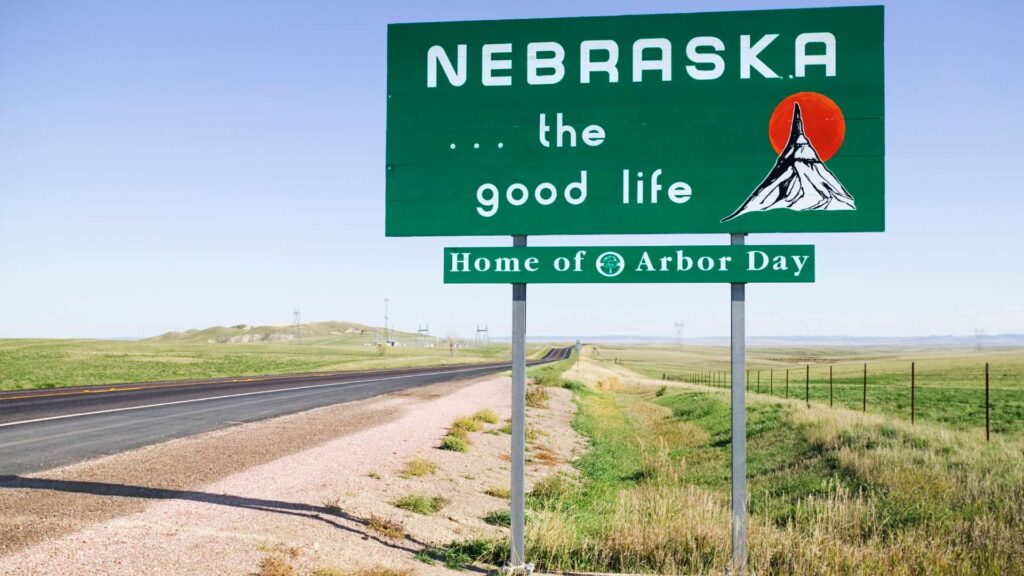
Nebraska doesn’t always get the spotlight when it comes to outdoor adventure, but it absolutely should. The state is home to sweeping prairies, dramatic rock formations, historic trails, and peaceful river corridors. Whether you’re looking for hiking, wildlife, history, or simply a quiet place to breathe, these five parks offer some of the best experiences in and around Nebraska.
1. Scotts Bluff National Monument (Western Nebraska)
Scotts Bluff rises 800 feet above the North Platte River, creating one of the most iconic landscapes on the Great Plains. For thousands of years, Indigenous peoples used the bluff as a landmark, and later it became a crucial waypoint for travelers on the Oregon, California, and Mormon Trails. Today, you can hike the Saddle Rock Trail, drive the scenic summit road, and explore the visitor center’s excellent exhibits. The views from the top stretch for miles, giving you a sense of the vastness that early pioneers encountered. It’s a perfect blend of natural beauty and American history.
2. Chimney Rock National Historic Site (Near Bayard, NE)
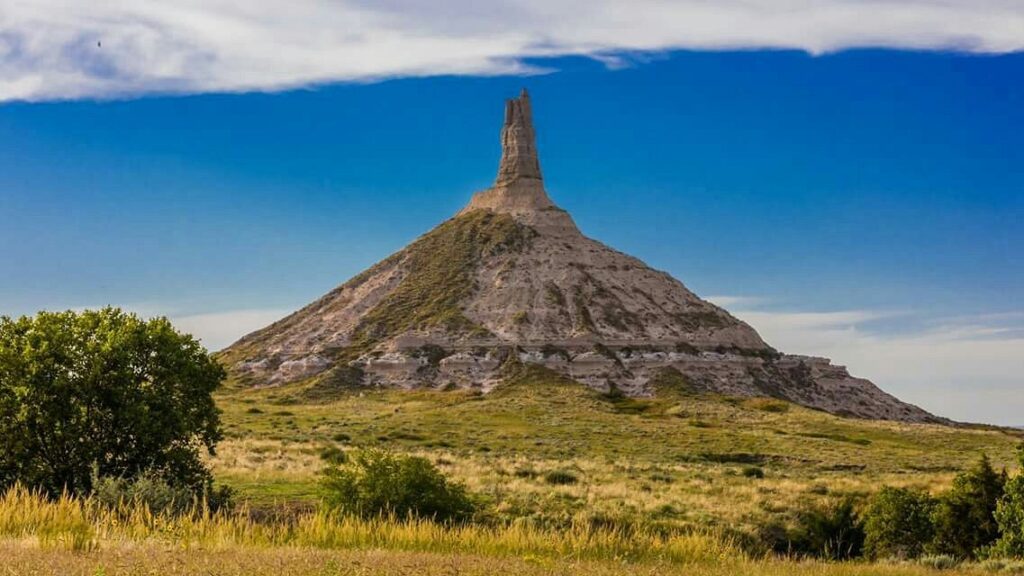
Just a short drive from Scotts Bluff, Chimney Rock is another legendary landmark of westward expansion. Its distinctive spire—once towering over 400 feet—was mentioned in countless pioneer journals. While you can’t hike up to the formation itself, the visitor center offers panoramic views, historical displays, and insight into how this natural wonder became a symbol of the American frontier. The surrounding prairie is quiet and expansive, making it easy to imagine wagon trains rolling across the landscape.
3. Niobrara National Scenic River (Northern Nebraska)
If you’re craving water-based adventure, the Niobrara River is one of the Midwest’s best-kept secrets. This federally protected river flows through a unique ecological crossroads where six distinct ecosystems meet. As you paddle or float downstream, you’ll pass waterfalls, limestone cliffs, and lush forests. Wildlife is abundant—bald eagles, bison herds at nearby Fort Niobrara National Wildlife Refuge, and countless songbirds. Outfitters in Valentine can set you up with kayaks, tubes, or canoes, making it an accessible trip for beginners and families.
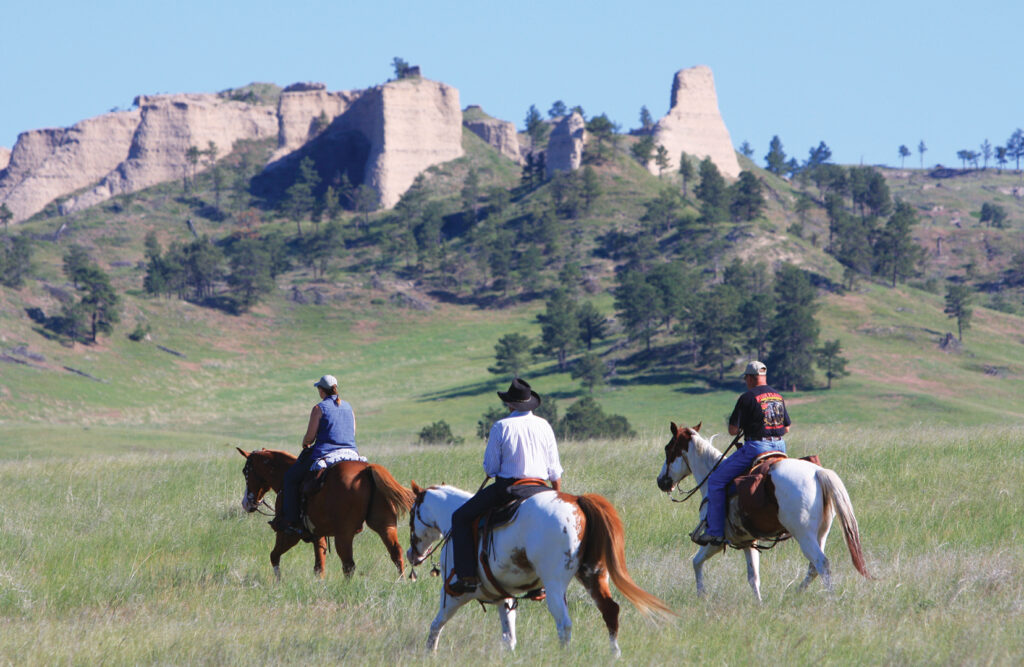
Nestled along the Missouri River, Indian Cave State Park is known for its dramatic sandstone cave featuring prehistoric Native American petroglyphs. The park offers more than 20 miles of hiking and biking trails that wind through hardwood forests and bluffs overlooking the river. In autumn, the foliage is spectacular. The park also features horseback riding, camping, and scenic drives. It’s one of Nebraska’s most atmospheric parks—quiet, wooded, and full of natural and cultural history.
4. Indian Cave State Park (Southeastern Nebraska)
5. Ponca State Park (Northeastern Nebraska)
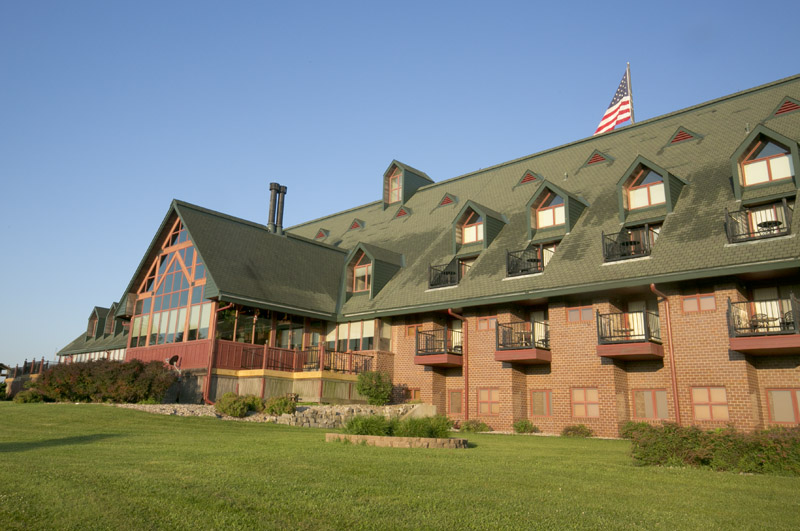
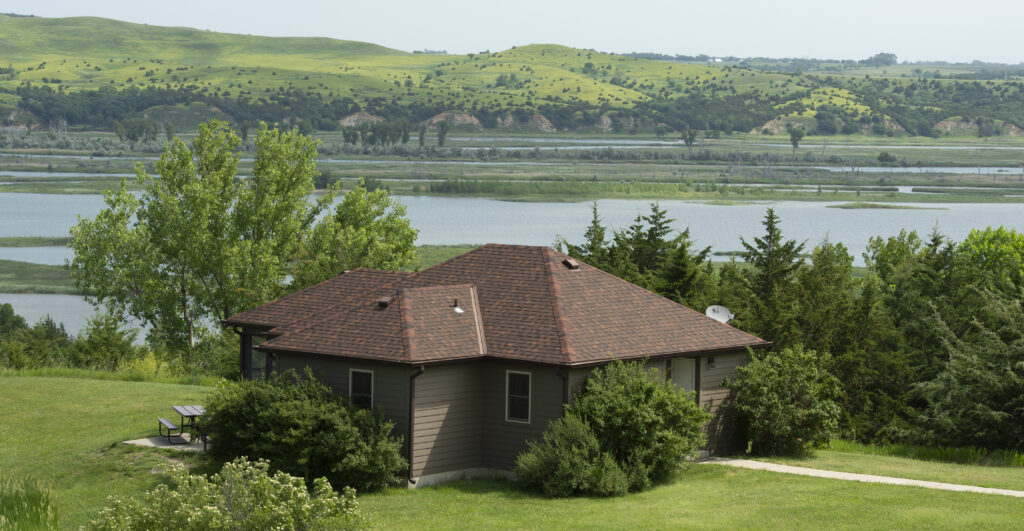
Ponca State Park sits along the Missouri River bluffs and is one of the state’s most popular outdoor destinations. The park offers a wide range of activities: hiking, birdwatching, archery, kayaking, and even educational programs at the Missouri National Recreational River Resource Center. The views from the high bluffs are stunning, especially at sunrise. Cabins and modern campsites make it a comfortable choice for families or groups. In winter, the park transforms into a peaceful retreat with opportunities for snowshoeing and wildlife viewing.
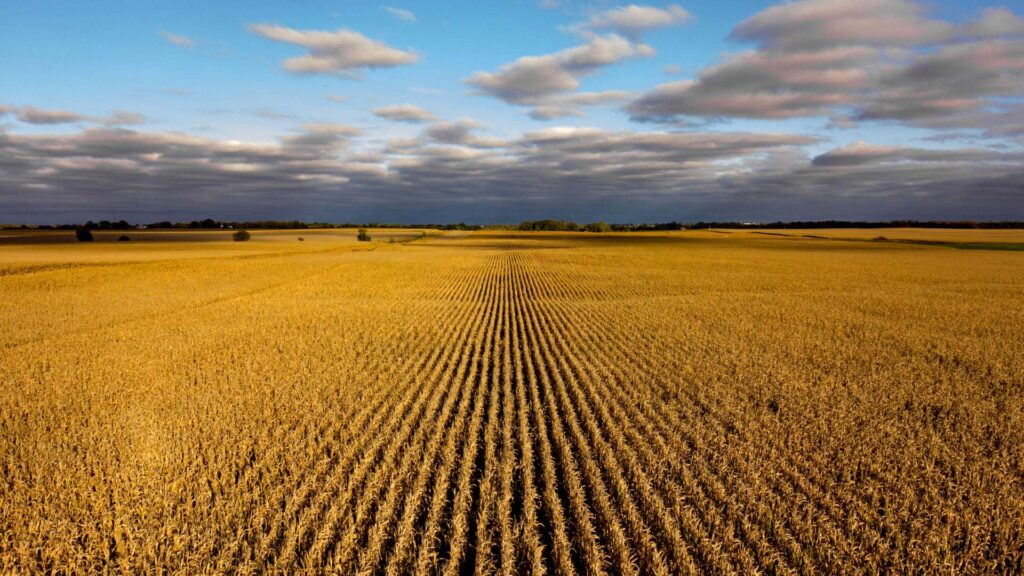
“Nebraska’s landscapes are fragile, and small actions help keep them pristine for future visitors.”
Robbort Formanus Tweet
🧭 Five Travel Tips for Visiting State & National Parks
Whether you’re exploring Nebraska’s prairies or venturing into nearby states, these tips will help you make the most of your trip.
1. Check Weather and Trail Conditions Ahead of Time
Nebraska’s weather can shift quickly—sunny mornings can turn into windy afternoons or sudden thunderstorms. Before heading out, check park websites or visitor centers for trail closures, river conditions, or fire restrictions. This helps you plan safely and avoid surprises.
2. Bring More Water Than You Think You Need
Many parks, especially in western Nebraska, have limited water sources once you’re on the trail. The dry prairie air can dehydrate you faster than expected. Carrying extra water is one of the simplest ways to stay safe and comfortable.
3. Respect Wildlife and Keep a Safe Distance
Nebraska’s parks are home to bison, deer, coyotes, and countless bird species. Observing them is part of the experience, but always keep your distance and never feed animals. This protects both you and the wildlife.
4. Pack Layers and Sun Protection
Even in cooler seasons, the sun on the plains can be intense. Bring sunscreen, a hat, and lightweight layers. Mornings and evenings can be chilly, while midday temperatures may climb quickly.
5. Leave No Trace—Preserve the Parks for Others
Stay on marked trails, pack out your trash, and avoid disturbing natural features or historical sites. Nebraska’s landscapes are fragile, and small actions help keep them pristine for future visitors.