Best State/National Parks to visit near Nebraska
Prepared by Charlie Mattern
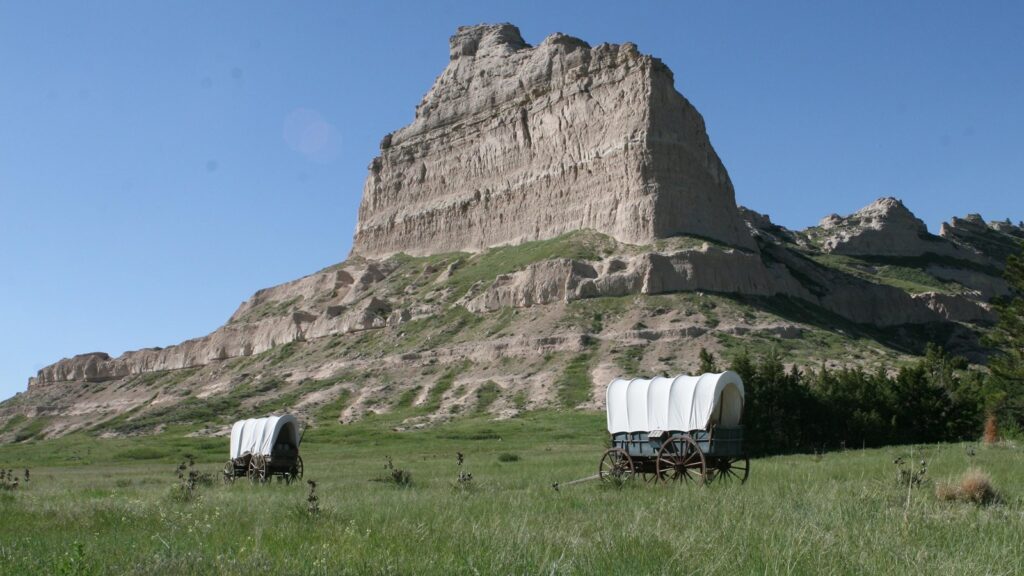
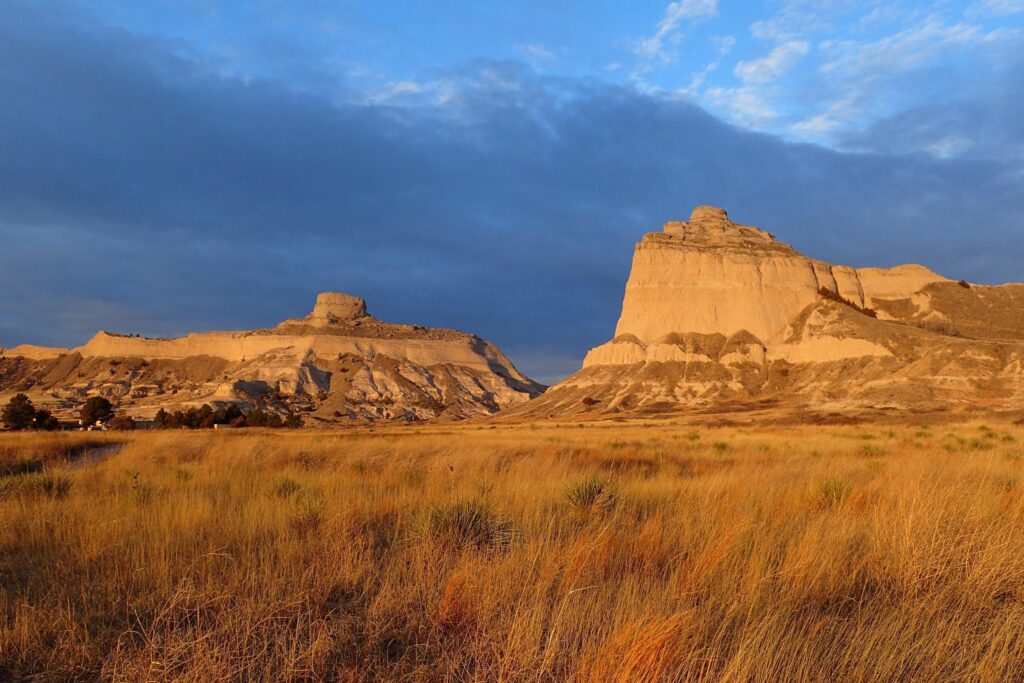
1. Scotts Bluff National Monument (Nebraska)
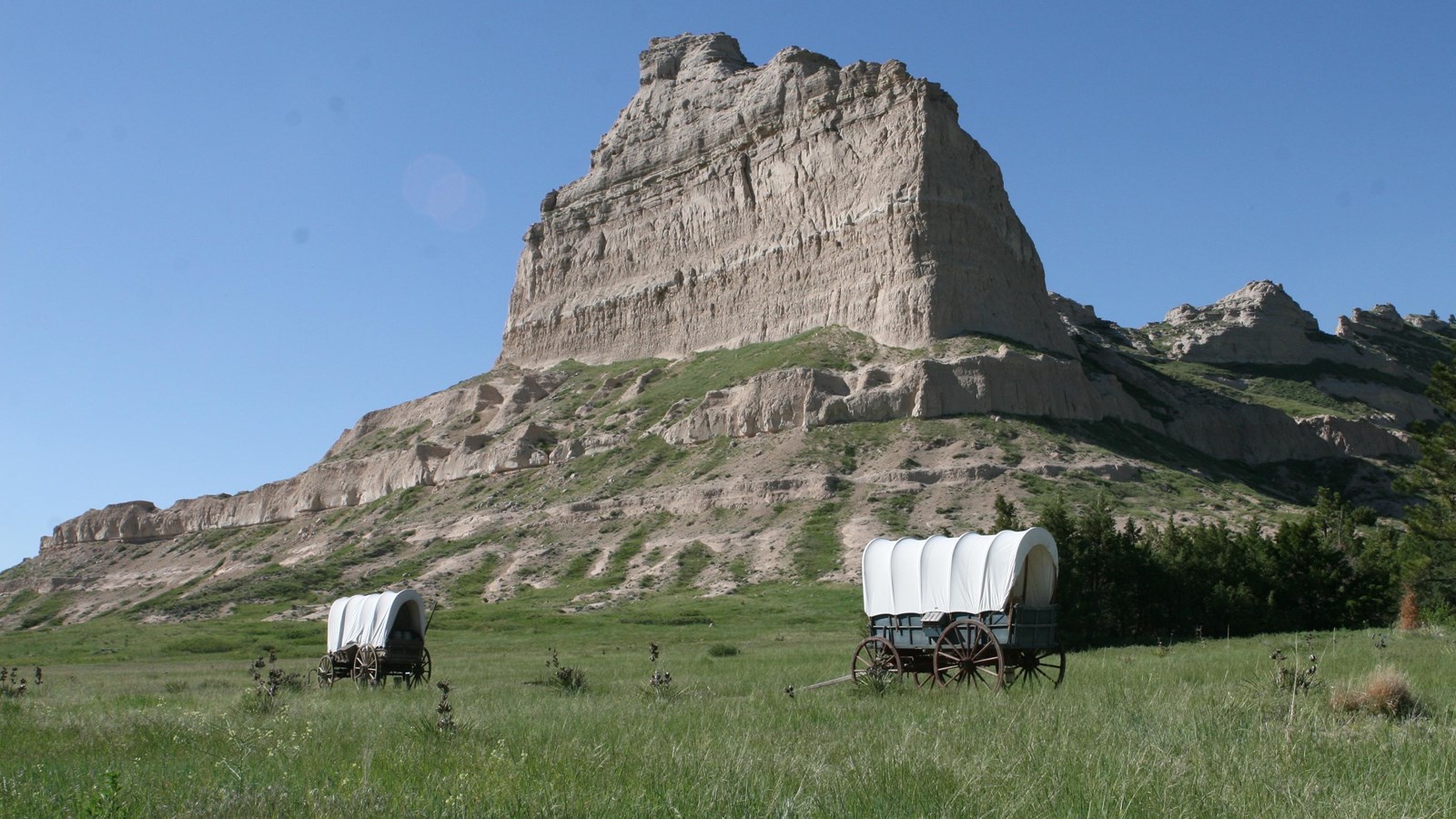
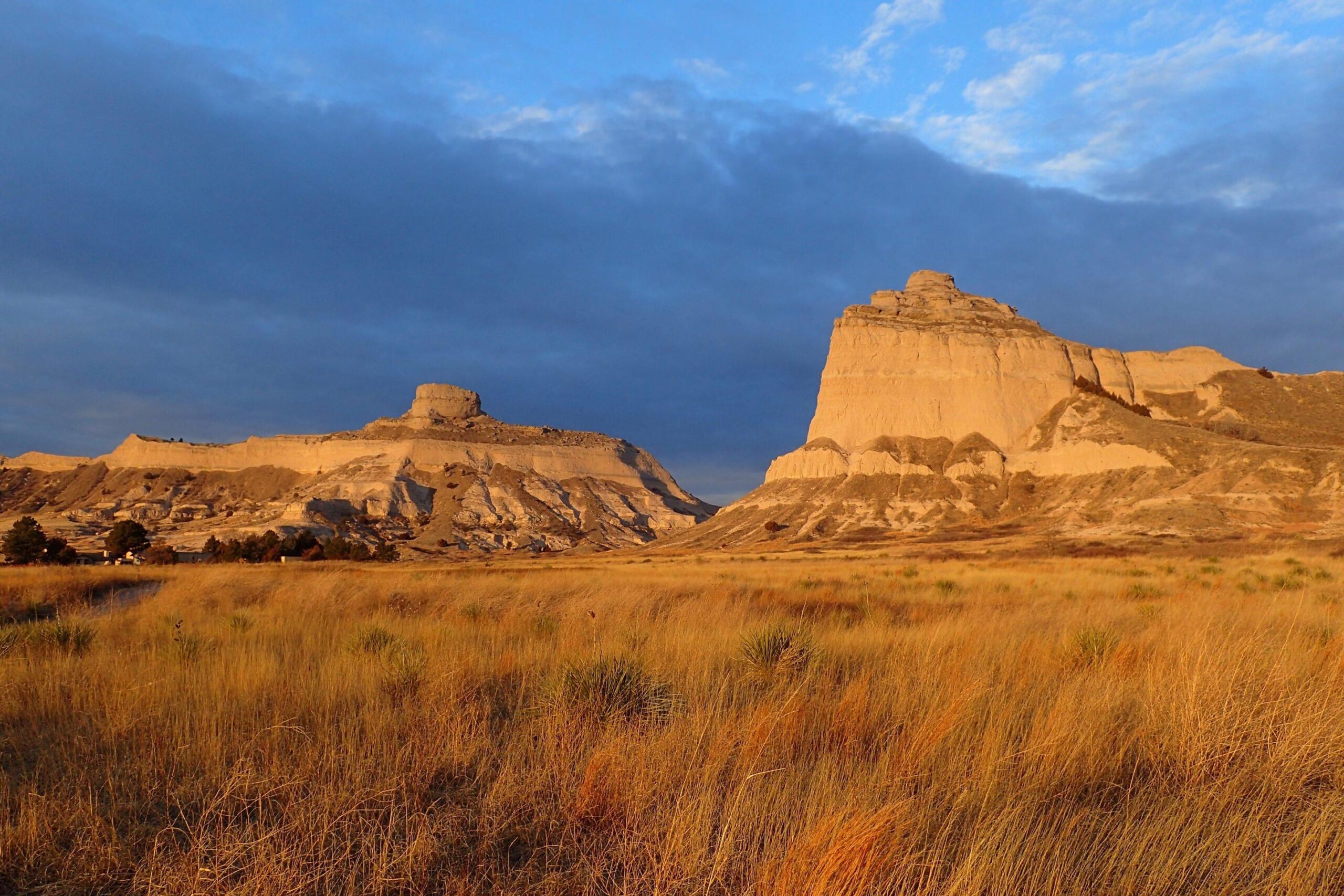
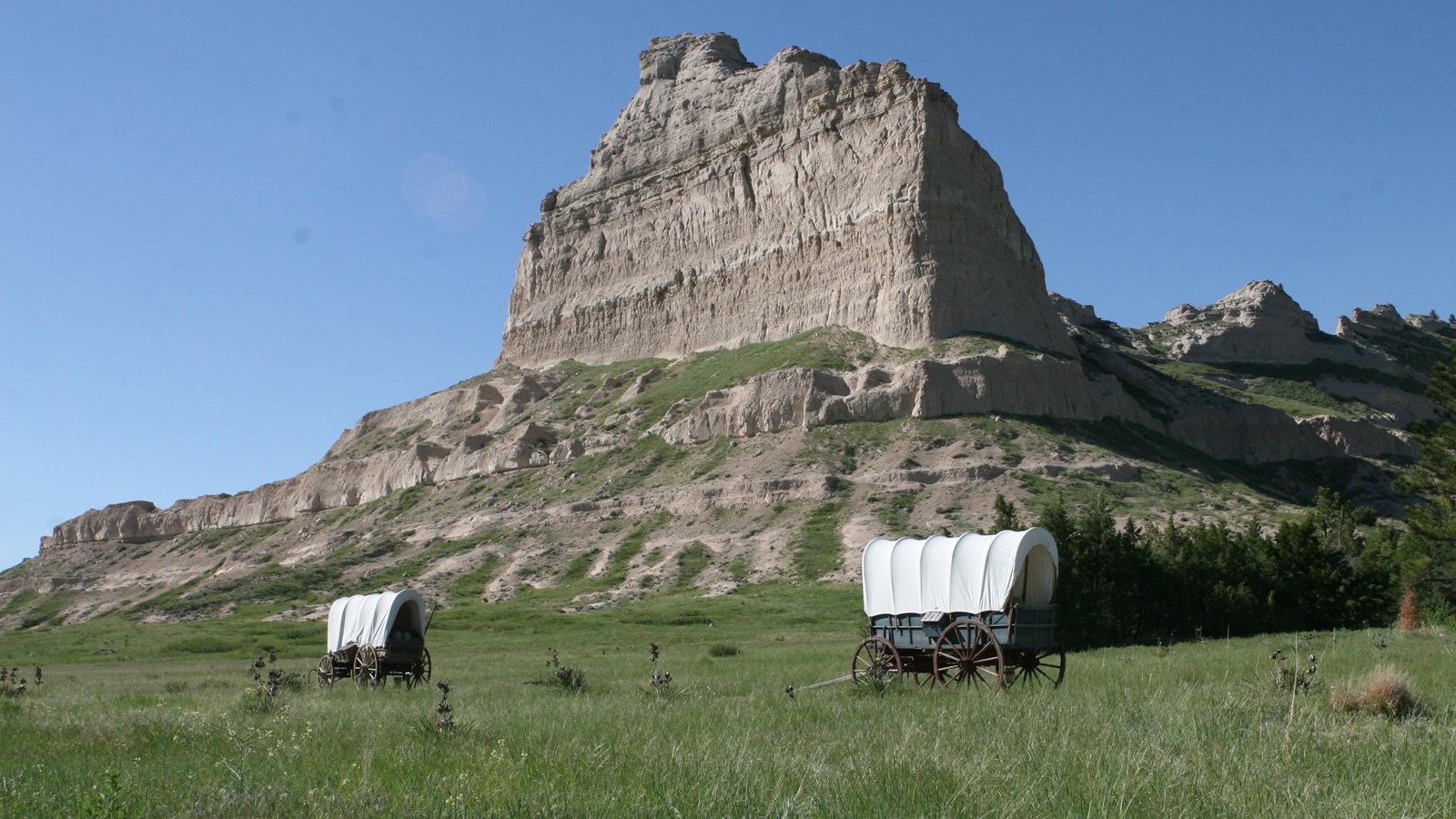
Scotts Bluff rises dramatically from the surrounding plains, a sandstone sentinel that guided thousands of emigrants along the Oregon, California, and Mormon Trails. Today, the monument offers a blend of history and scenery that’s hard to beat. The Summit Road—one of the few scenic drives in the National Park Service system that climbs to the top of a bluff—delivers sweeping views of the North Platte River Valley. Several hiking trails, including the Saddle Rock Trail, let you experience the geology up close. The visitor center’s museum brings the pioneer era to life with artifacts and dioramas. It’s a perfect stop for anyone who loves both natural landscapes and American history.
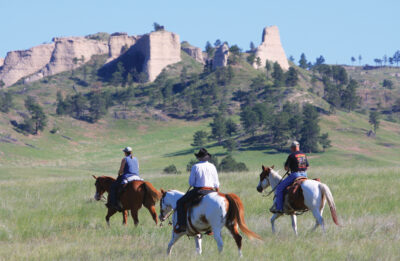
"Today, the monument offers a blend of history and scenery that’s hard to beat."
2. Agate Fossil Beds National Monument (Nebraska)
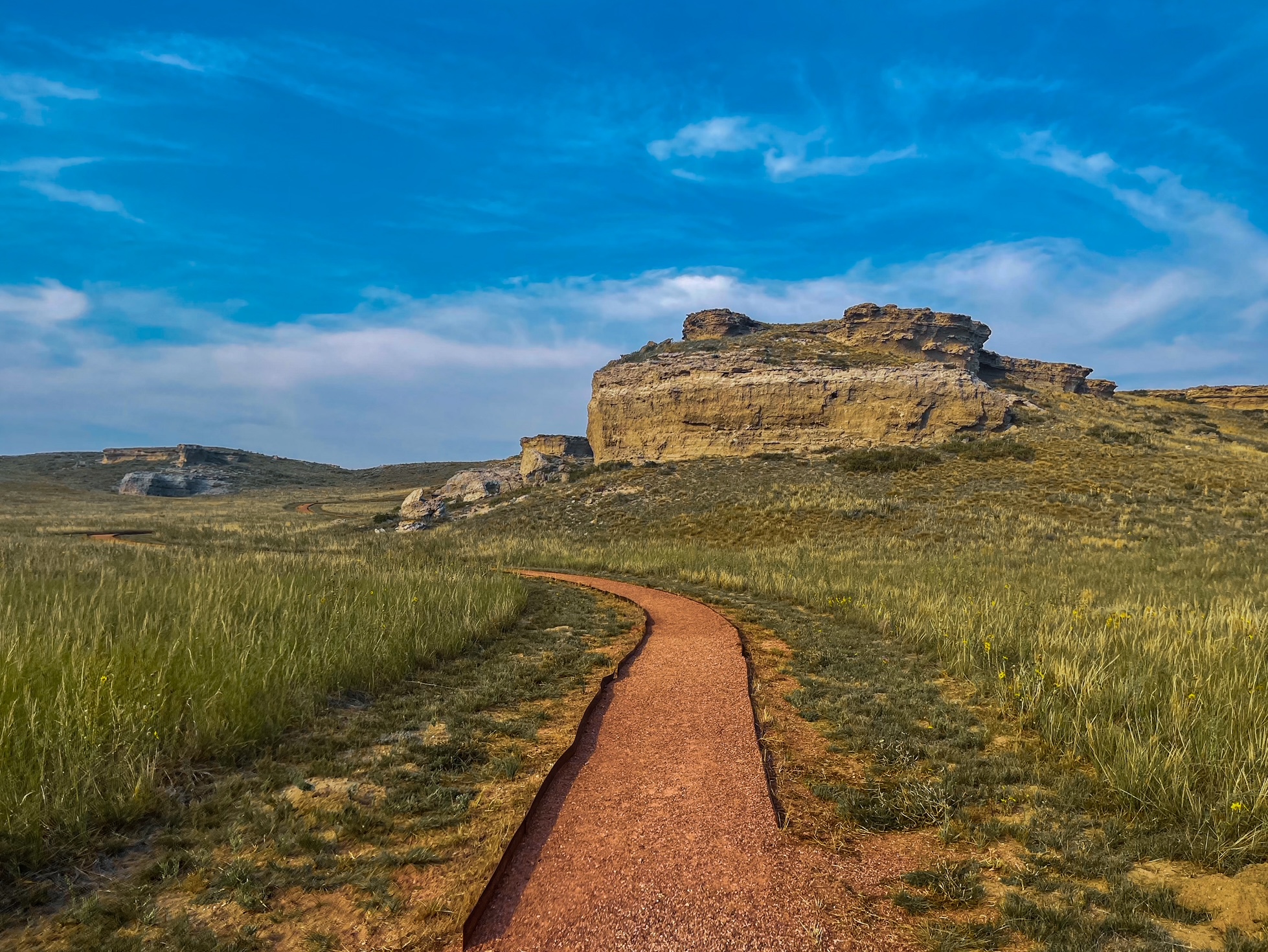
Located in the northwest corner of the state, Agate Fossil Beds is a paleontological treasure. The area preserves some of the most significant Miocene‑era mammal fossils ever discovered, including the bizarre “beardogs” and the towering Moropus. The park’s two main trails—the Fossil Hills Trail and the Daemonelix Trail—offer gentle walks with interpretive signs explaining the prehistoric world that once existed here. The visitor center also houses an extraordinary collection of Lakota artifacts gifted by Chief Red Cloud, making the park a rare combination of natural and cultural history. It’s quiet, contemplative, and ideal for travelers who appreciate science and solitude.
3. Niobrara State Park (Nebraska)
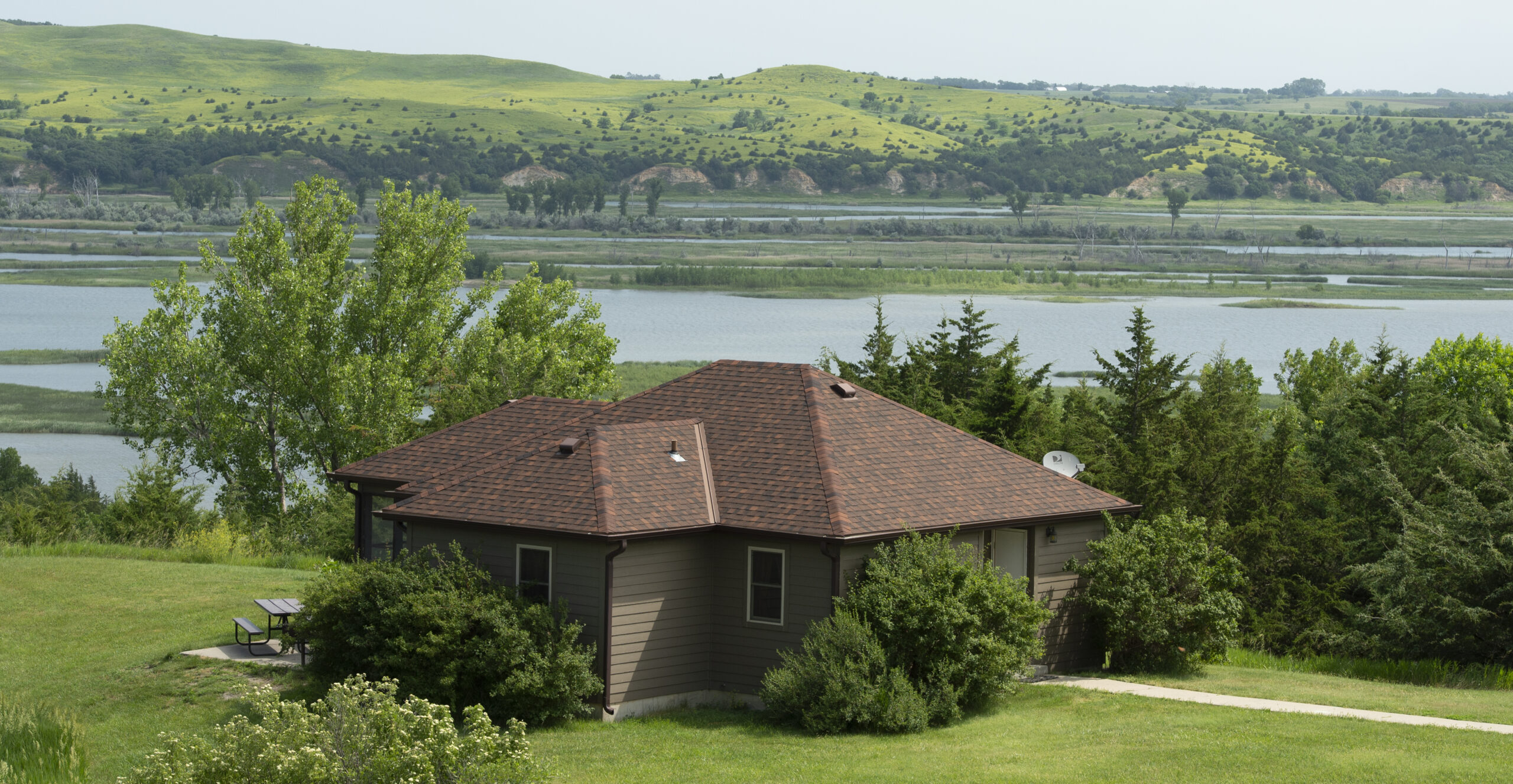
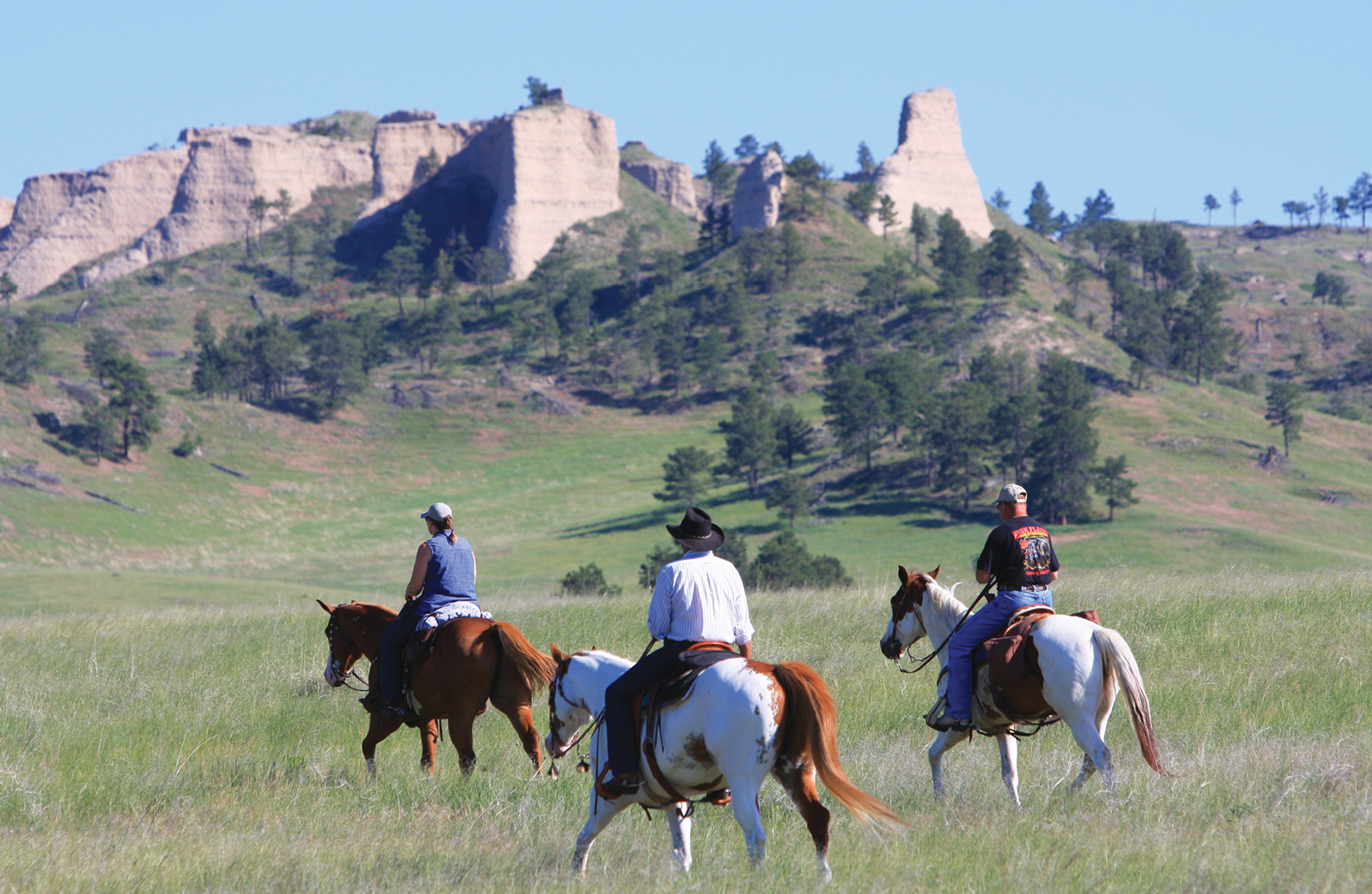
Perched above the confluence of the Niobrara and Missouri Rivers, Niobrara State Park is one of Nebraska’s most scenic state‑managed areas. Rolling hills, wooded ravines, and river overlooks create a landscape that feels surprisingly varied. The park is known for its extensive trail system—perfect for hiking or horseback riding—and its wildlife, including deer, wild turkeys, and the occasional eagle. In summer, the park hosts buffalo cookouts and interpretive programs that celebrate the region’s frontier heritage. Whether you stay in a cabin or pitch a tent, the sunsets over the river valleys are unforgettable.
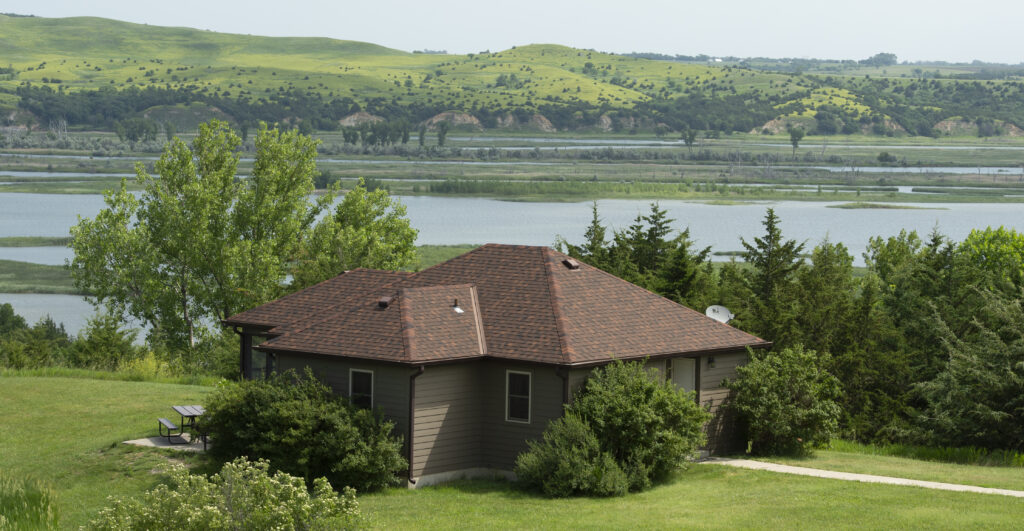
4. Ponca State Park (Nebraska)
Located in the northeastern corner of the state, Ponca State Park is a favorite for families and outdoor enthusiasts alike. The park sits along the Missouri National Recreational River, one of the last free‑flowing stretches of the Missouri. Its forested bluffs, wetlands, and meadows create a surprisingly lush environment. Ponca is known for its year‑round programming—bird‑watching weekends, outdoor skills workshops, and winter events like the Christmas Bird Count. The park’s modern cabins make it an excellent choice for travelers who want nature without sacrificing comfort. With its mix of scenery, wildlife, and activities, Ponca is one of Nebraska’s most versatile destinations.
5. Badlands National Park (South Dakota – near Nebraska)
Just a few hours north of the Nebraska border lies one of the most striking landscapes in the Midwest: Badlands National Park. Its eroded buttes, striped rock formations, and expansive prairies feel almost otherworldly. The park is home to bison, bighorn sheep, prairie dogs, and black‑footed ferrets—one of the rarest mammals in North America. The Badlands Loop Road offers easy access to overlooks, while trails like Notch Trail and Door Trail provide more immersive experiences. Because it’s so close to Nebraska, many travelers combine a visit to the Badlands with a road trip through the Sandhills or Pine Ridge region. If you’re looking for dramatic scenery without venturing too far from Nebraska, this is the place.
🧭 Five Travel Tips for Visiting State & National Parks
Whether you’re exploring Nebraska’s quiet prairies or the rugged terrain just beyond its borders, these tips will help you make the most of your trip.
1. Check Weather and Road Conditions Ahead of Time
Nebraska’s weather can change quickly—storms, high winds, and sudden temperature swings are common. Many parks have gravel or dirt roads that become difficult after rain. A quick check before you go can save you a lot of hassle.
2. Bring More Water Than You Think You Need
Even in cooler months, the dry prairie air can dehydrate you faster than expected. Many parks, especially in western Nebraska, have limited water sources. A good rule of thumb is to carry at least one gallon per person for a full day of hiking.
3. Respect Wildlife and Keep Your Distance
Bison, deer, and other animals may seem calm, but they can be unpredictable. Use binoculars or a zoom lens rather than approaching. Feeding wildlife is harmful to both animals and visitors.
4. Pack Layers and Sun Protection
The Great Plains offer little natural shade, and the sun can be intense. Lightweight long sleeves, sunscreen, and a hat go a long way. Evenings can cool off quickly, so bring a warm layer too.
5. Leave No Trace
Nebraska’s parks rely on visitors to help preserve their fragile ecosystems. Stay on designated trails, pack out your trash, and avoid disturbing plants or cultural sites. Small actions make a big difference in keeping these places pristine.