Five National and State Parks to Visit In or Near Nebraska
Nebraska often flies under the radar when people think about outdoor adventure, but that’s part of its charm. The state is full of quiet, wide‑open landscapes, dramatic geological formations, and pockets of history that feel almost untouched. Whether you’re craving solitude, wildlife, or a glimpse into the past, these five parks—some within Nebraska and others just across its borders—offer memorable experiences without the crowds you’ll find in more famous destinations.
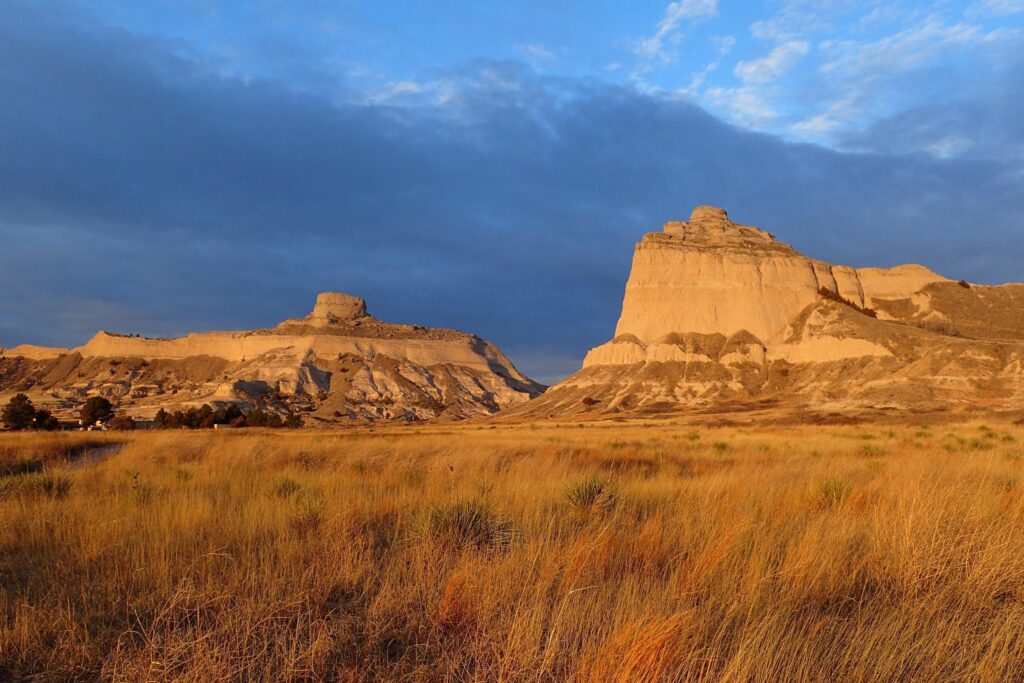
1. Scotts Bluff National Monument (Nebraska)
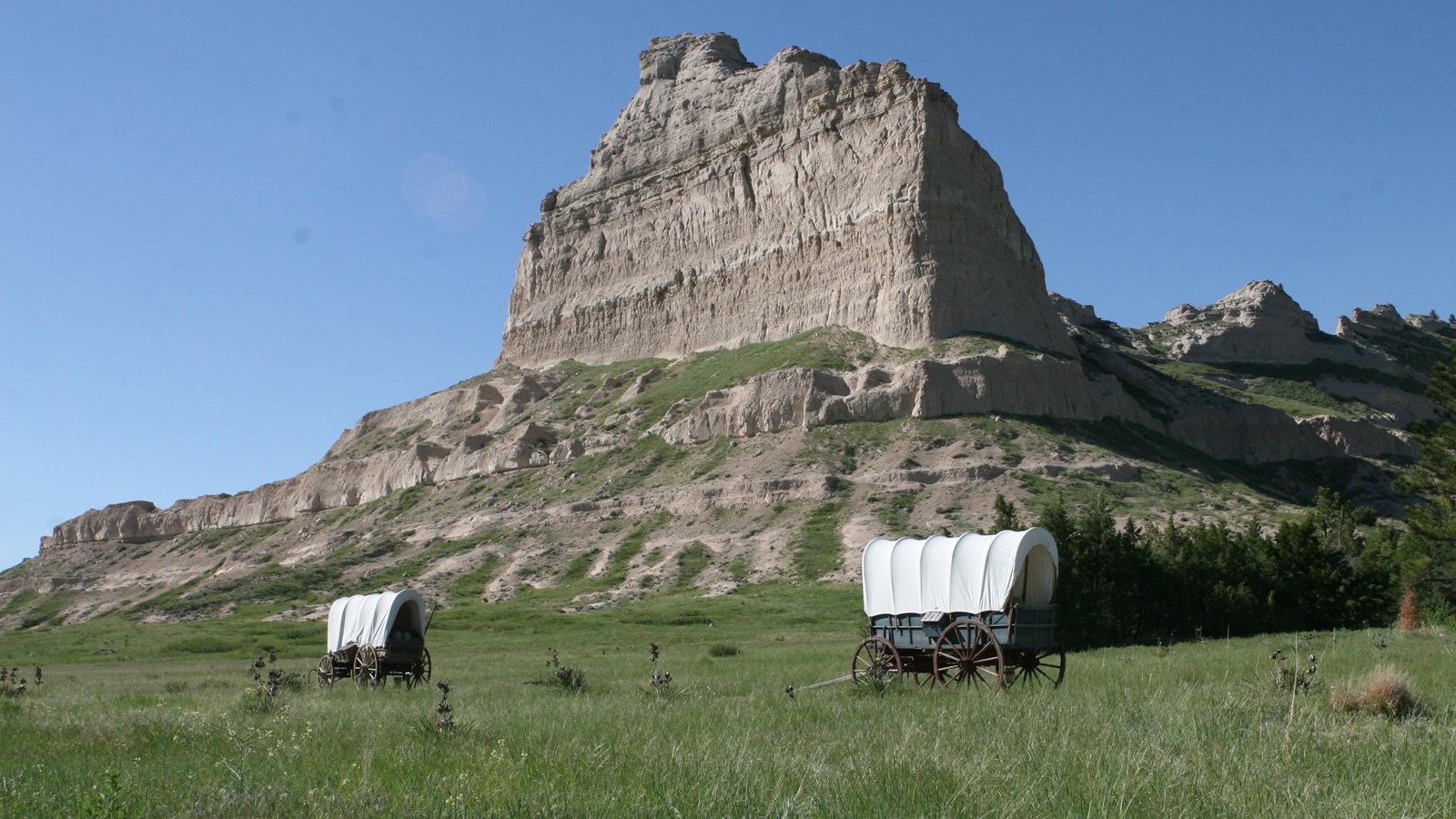
Scotts Bluff rises abruptly from the plains, creating a dramatic landmark that guided thousands of emigrants along the Oregon, California, and Mormon Trails. Today, the monument blends natural beauty with deep historical significance. Visitors can hike the Saddle Rock Trail, a 1.6‑mile route that winds up the bluff and passes through a tunnel carved into the rock. The summit offers sweeping views of the North Platte River Valley and the surrounding prairie. The visitor center includes exhibits on westward expansion, pioneer diaries, and the Indigenous peoples who lived in the region long before wagon trains arrived. It’s a place where history and geology meet in a way that feels both humbling and inspiring.
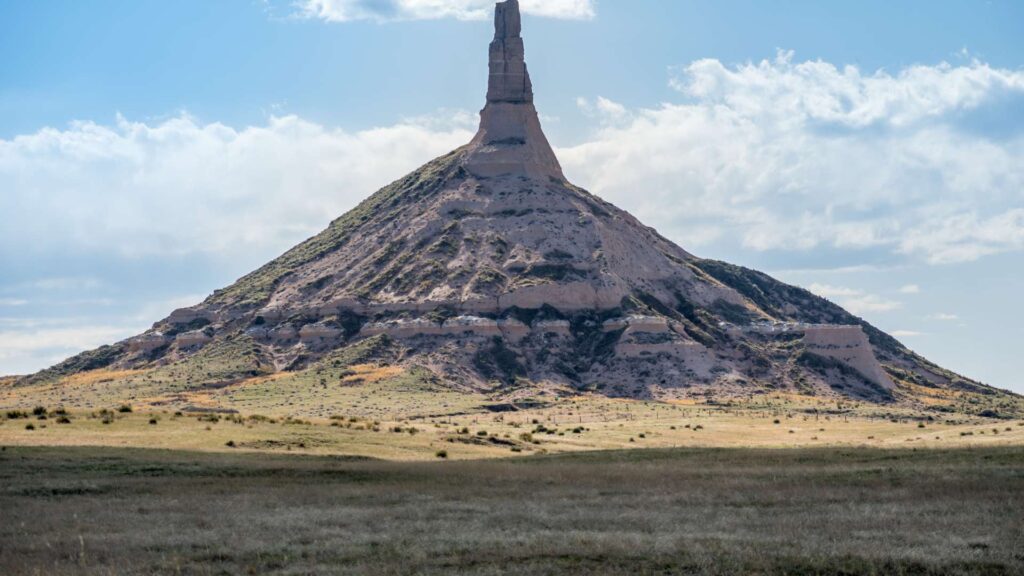
2. Chimney Rock National Historic Site (Nebraska)
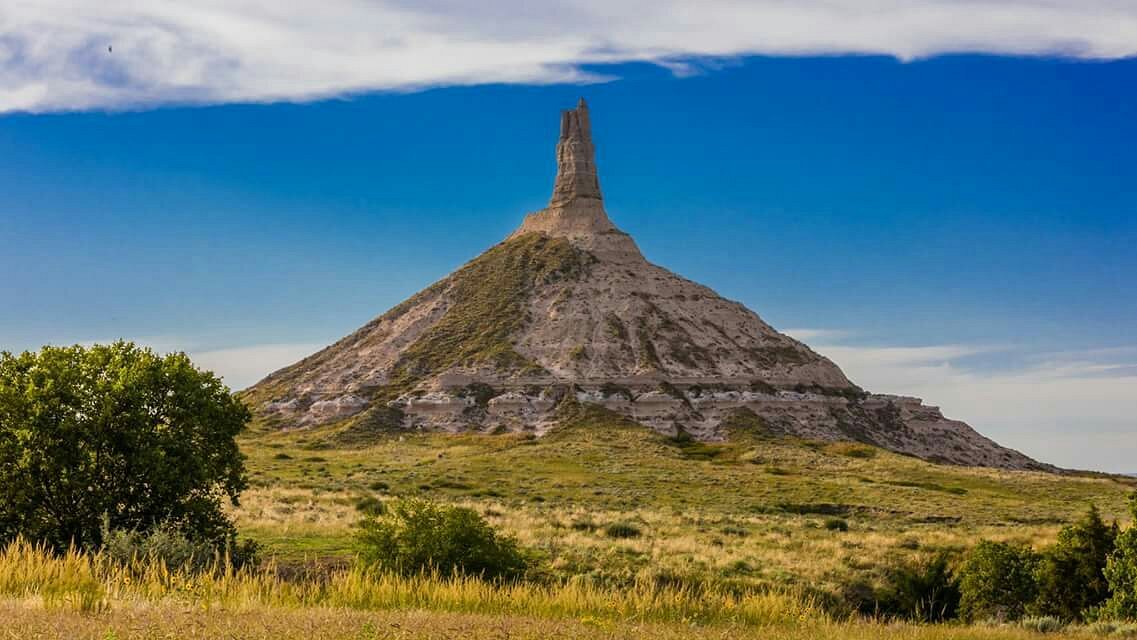
Just a short drive from Scotts Bluff, Chimney Rock is one of the most iconic natural formations in the American West. Its slender spire—once towering over 400 feet before erosion—was a beacon for travelers heading toward the Rocky Mountains. While the site is smaller and more focused than a traditional park, it’s a must‑see for anyone exploring Nebraska’s historic corridor. The visitor center offers interactive exhibits, pioneer artifacts, and a closer look at how this landmark has changed over time. The surrounding landscape is classic High Plains: quiet, windswept, and surprisingly beautiful in its simplicity.
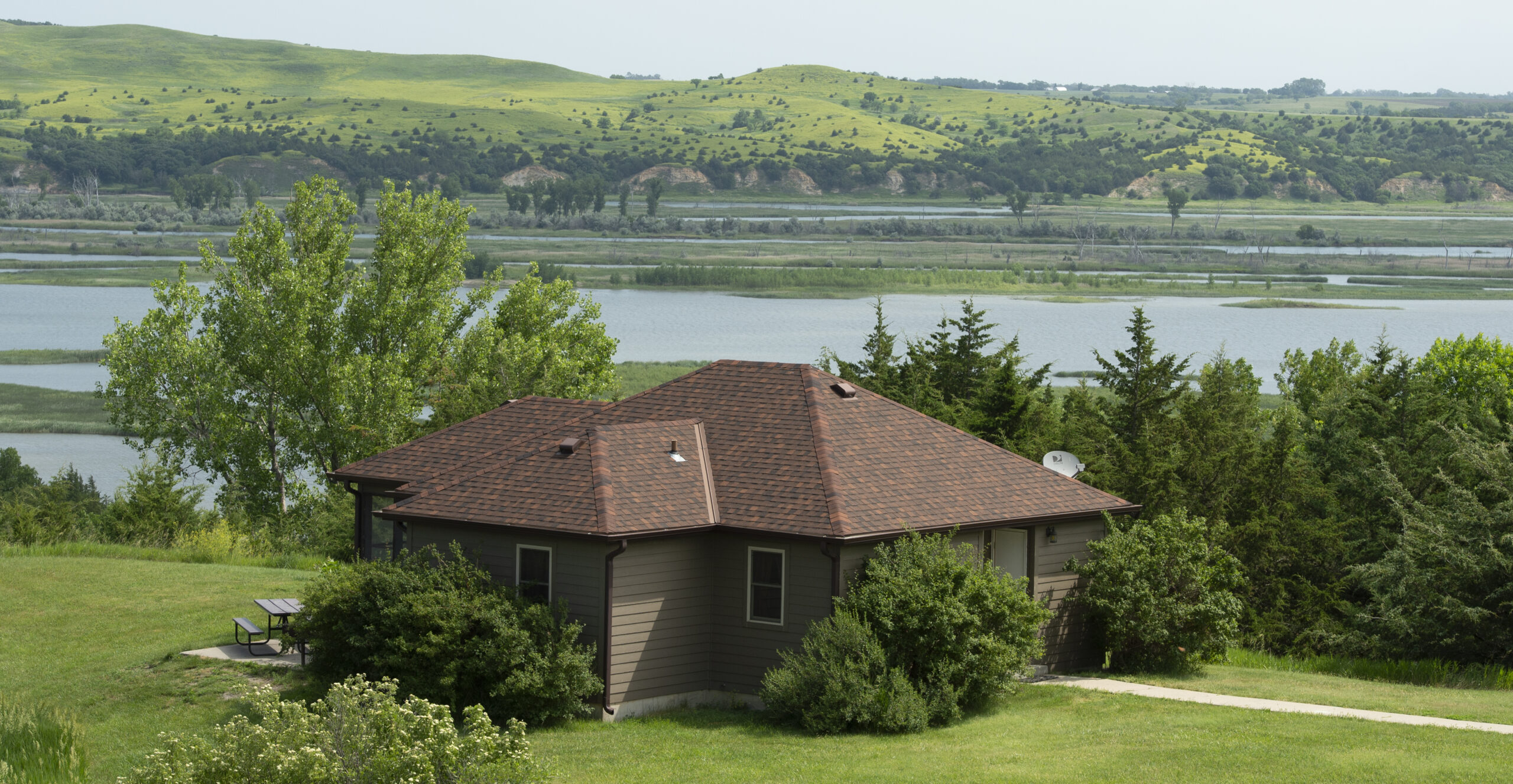
3. Niobrara State Park (Nebraska)
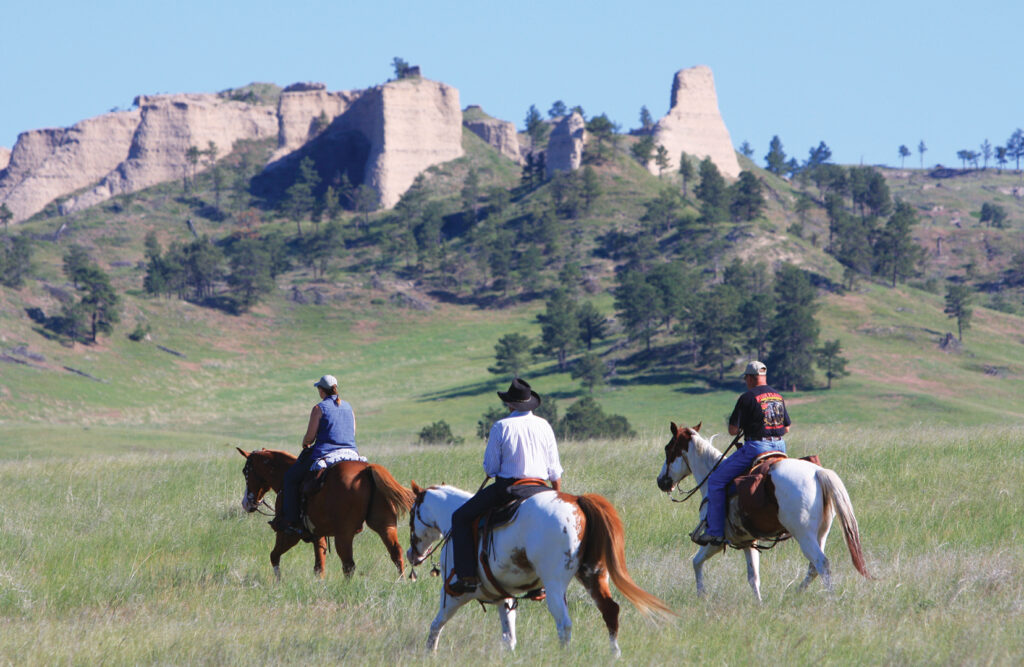
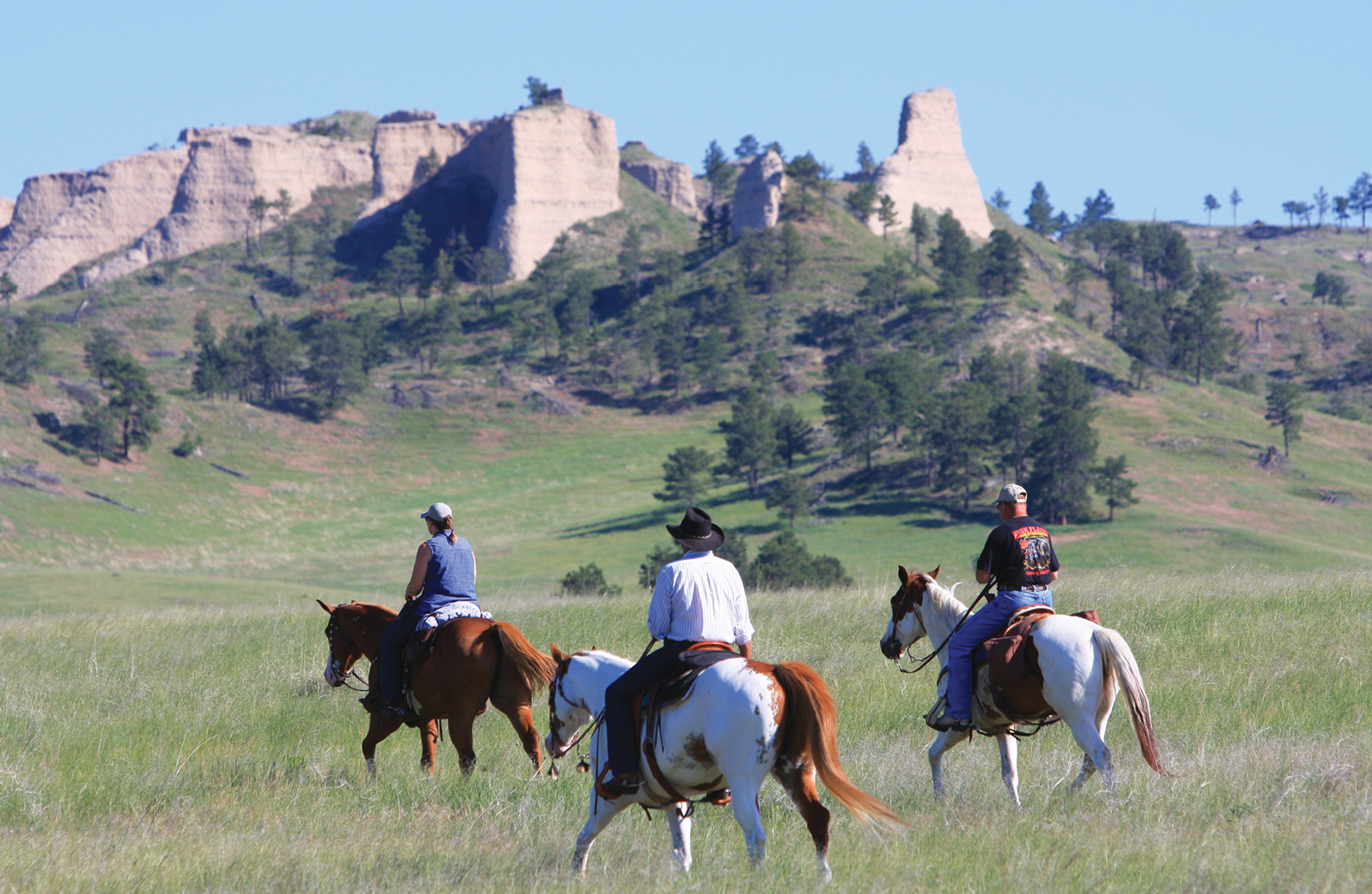
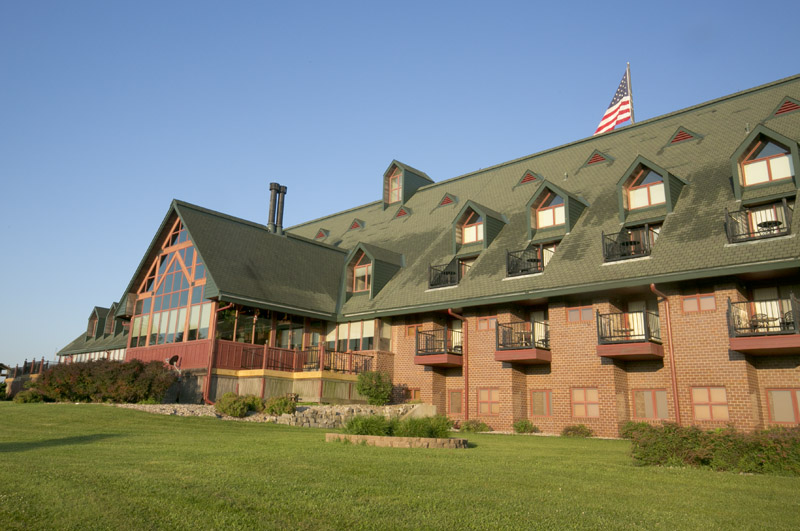
Located where the Niobrara and Missouri Rivers meet, Niobrara State Park is a lush, rolling landscape that feels worlds away from the flat‑land stereotype often associated with Nebraska. The park is known for its scenic overlooks, abundant wildlife, and miles of hiking and horseback‑riding trails. Visitors can spot deer, wild turkeys, and even the occasional eagle. In summer, the park hosts buffalo cookouts and interpretive programs that bring local history and ecology to life. Cabins perched on the bluffs offer some of the most peaceful sunrise views in the state. If you’re looking for a blend of comfort and wilderness, this park is a standout.
4. Agate Fossil Beds National Monument (Nebraska)
This park is a treasure trove for anyone fascinated by paleontology or the deep history of the Great Plains. Agate Fossil Beds preserves one of the world’s most significant Miocene fossil sites, where ancient mammals such as beardogs, small horses, and massive pig‑like creatures once roamed. The visitor center houses remarkable fossil displays and a renowned collection of Lakota artifacts gifted by Chief Red Cloud. Two trails—the Fossil Hills Trail and the Daemonelix Trail—lead visitors through the landscape where these prehistoric animals lived and died. The scenery is subtle but striking, with grasslands stretching to the horizon and buttes rising in the distance.
5. Badlands National Park (South Dakota, near Nebraska)
Just a few hours north of Nebraska’s border lies one of the most dramatic landscapes in the Midwest. Badlands National Park is a maze of jagged peaks, colorful sediment layers, and eroded canyons that look almost otherworldly. The park is also home to one of the largest protected mixed‑grass prairies in the United States, where bison, bighorn sheep, and prairie dogs thrive. Visitors can drive the Badlands Loop Road for panoramic views, hike trails like Notch or Door Trail, or simply sit and watch the light shift across the formations. It’s close enough to pair with a Nebraska road trip and adds a completely different flavor to the region’s natural offerings.
Five Travel Tips for Visiting State and National Parks
Exploring parks—whether in Nebraska or beyond—is always more enjoyable when you’re prepared. Here are five practical tips to keep in mind:
1. Check Weather and Trail Conditions Ahead of Time
Nebraska’s weather can change quickly, especially in spring and fall. High winds, sudden storms, or extreme heat can affect trail safety. Most parks update conditions online or through visitor centers, so a quick check can save you from surprises.
2. Bring More Water Than You Think You Need
Many parks in the region have limited water sources once you’re out on the trails. The dry prairie air can dehydrate you faster than expected. A good rule of thumb is to carry at least one liter per hour of planned hiking.
3. Respect Wildlife and Keep Your Distance
Even seemingly calm animals—like bison or deer—can be unpredictable. Use binoculars or a zoom lens for photos and give animals plenty of space. Feeding wildlife is harmful and prohibited in all parks.
4. Stay on Marked Trails to Protect Fragile Ecosystems
Prairie grasses, fossil beds, and eroded formations are more delicate than they appear. Staying on designated paths helps preserve these landscapes for future visitors and protects you from unstable ground.
5. Pack Out Everything You Bring In
Trash cans aren’t always available, especially in remote areas. Following Leave No Trace principles keeps parks clean and ensures wildlife isn’t exposed to harmful waste.
" It’s a place where history and geology meet in a way that feels both humbling and inspiring".