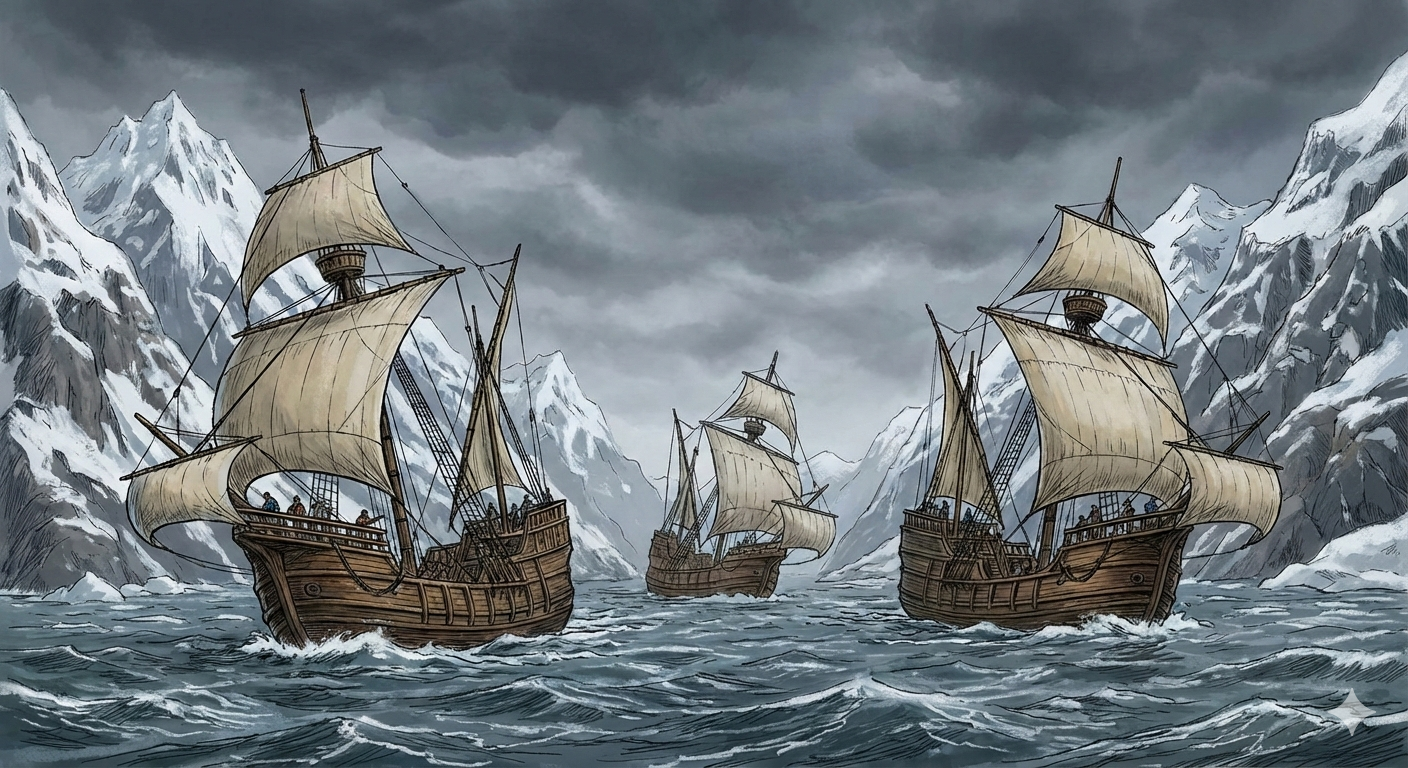
The year was 1519. In the bustling port of Seville, Ferdinand Magellan, a Portuguese explorer sailing under the flag of Spain, made his final preparations. His goal was audacious: to find a western sea route to the lucrative Spice Islands, the Moluccas, in Southeast Asia. The expedition, known as the Armada de Molucca, consisted of five ships—the Trinidad, San Antonio, Concepción, Victoria, and Santiago—and a crew of some 270 men from across Europe.
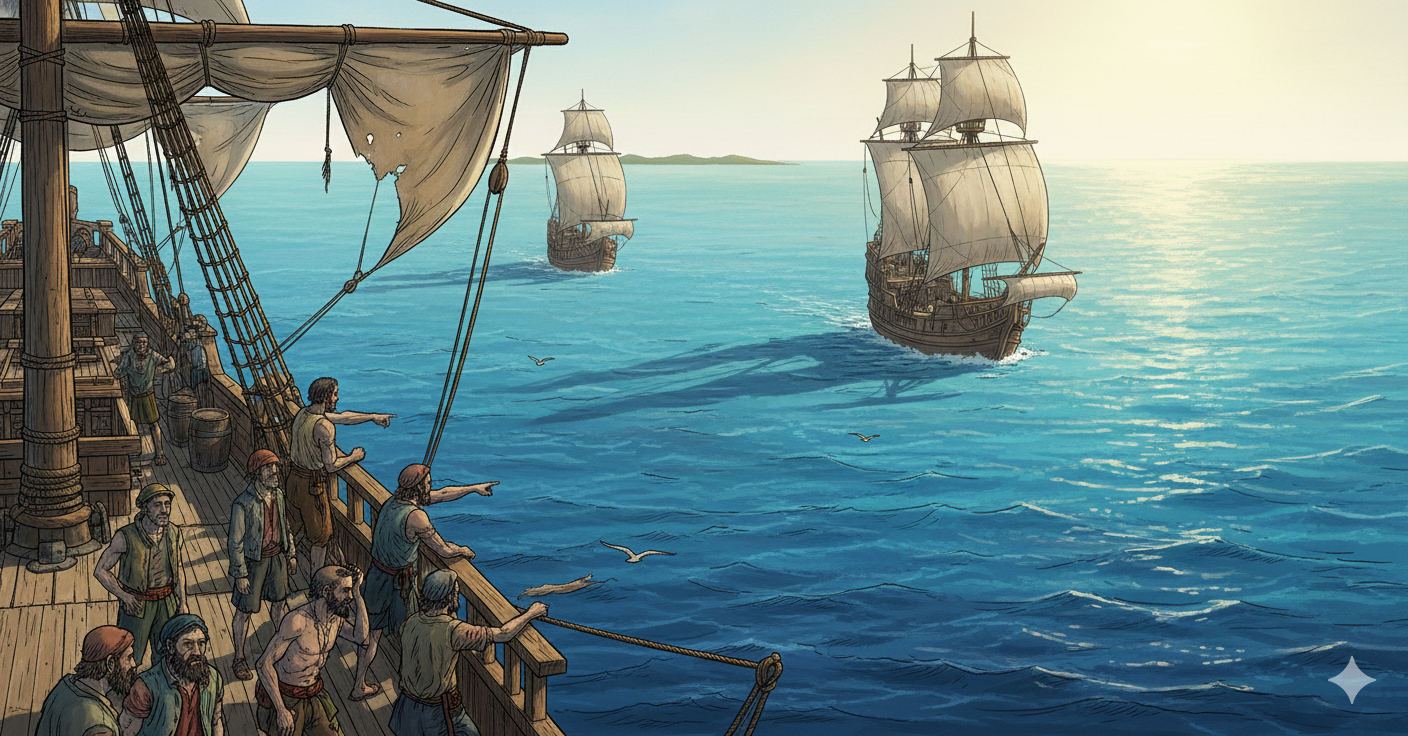
On August 10th, the fleet departed, sailing down the Guadalquivir River to the Atlantic. Their journey began with relative calm, but as they crossed the equator and sailed south along the coast of what is now Brazil, tensions rose. Spanish captains, suspicious of their Portuguese commander, began to conspire against him. Supplies, supposed to last for two years, were already being rationed. In December, they entered the bay of Rio de Janeiro to resupply and rest. The men marveled at the exotic flora and fauna and the local indigenous people, but the respite was brief. They continued south into increasingly colder and stormier waters, searching for the elusive strait that would lead them to the “Great South Sea.” As the southern hemisphere winter set in, Magellan made the controversial decision to overwinter in a desolate bay they named Puerto San Julián. It was here, in the freezing darkness, that the simmering mutiny finally erupted, testing Magellan’s leadership to its absolute limit.
The men marveled at the exotic flora and fauna and the local indigenous people, but the respite was brief.
Through the Strait of Sorrows to an Endless Sea
The mutiny at San Julián was put down with brutal efficiency, with some ringleaders executed and others marooned. But the cost was high, and the fleet’s morale was severely shaken. Late in the year, they resumed their search for the passage. On October 21st, 1520, they discovered a deep-water channel separating the South American mainland from the island of Tierra del Fuego. Magellan sent the San Antonio and Concepción ahead to explore. They returned with news that the channel seemed to continue, and the water remained salty, suggesting it was the long-sought strait.
Entering the treacherous passage, they were met with howling winds, unpredictable currents, and the constant threat of being shipwrecked on the rocky shores. The journey through the strait was a harrowing ordeal that took over a month. It was during this time that the San Antonio, the largest ship in the fleet, deserted and returned to Spain. The remaining three ships pressed on, their crews battling freezing temperatures and near-constant storms.